Mount Kenya Trekking & Technical Climbing Guide
Experience the wild heart of East Africa with stunning safaris, high-altitude alpine treks, and immersive technical climbing routes.
Overview
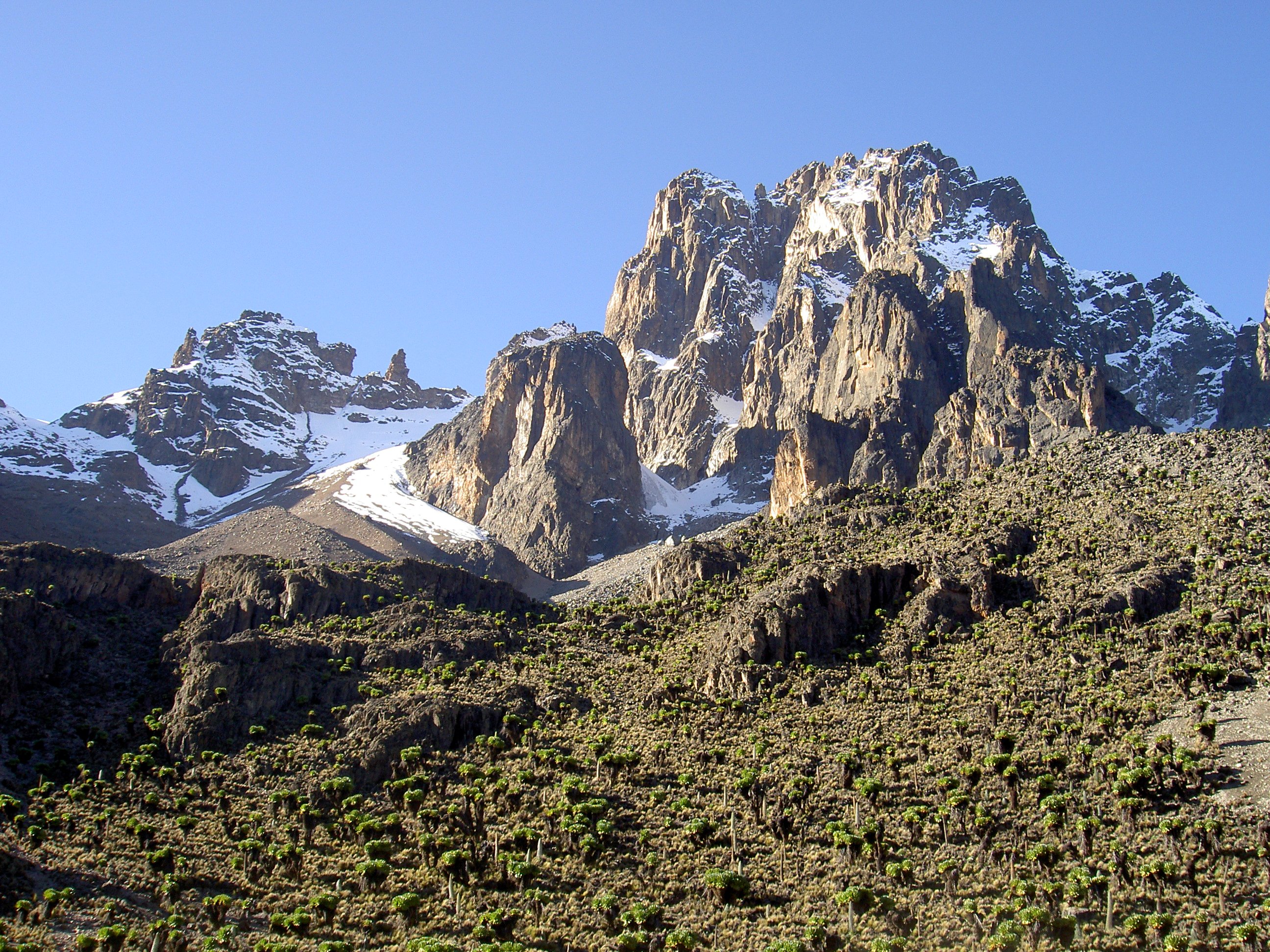
Standing proudly along the Equator, Mount Kenya offers one of Africa’s most scenic and rewarding mountaineering experiences. As the second-highest mountain on the continent, Mount Kenya combines dramatic snowcapped peaks, glacier-carved valleys, alpine lakes, dense forest, and diverse wildlife into a single journey.
Trekking Mount Kenya is not just about reaching the summit. It is a gradual experience shaped by changing landscapes, altitude, quiet moments on the trail, and the rhythmic beauty found on every side of the mountain. Whether you are planning a scenic trek to Point Lenana or a technical climb to Batian or Nelion, the mountain offers routes suited for hikers of all experience levels.
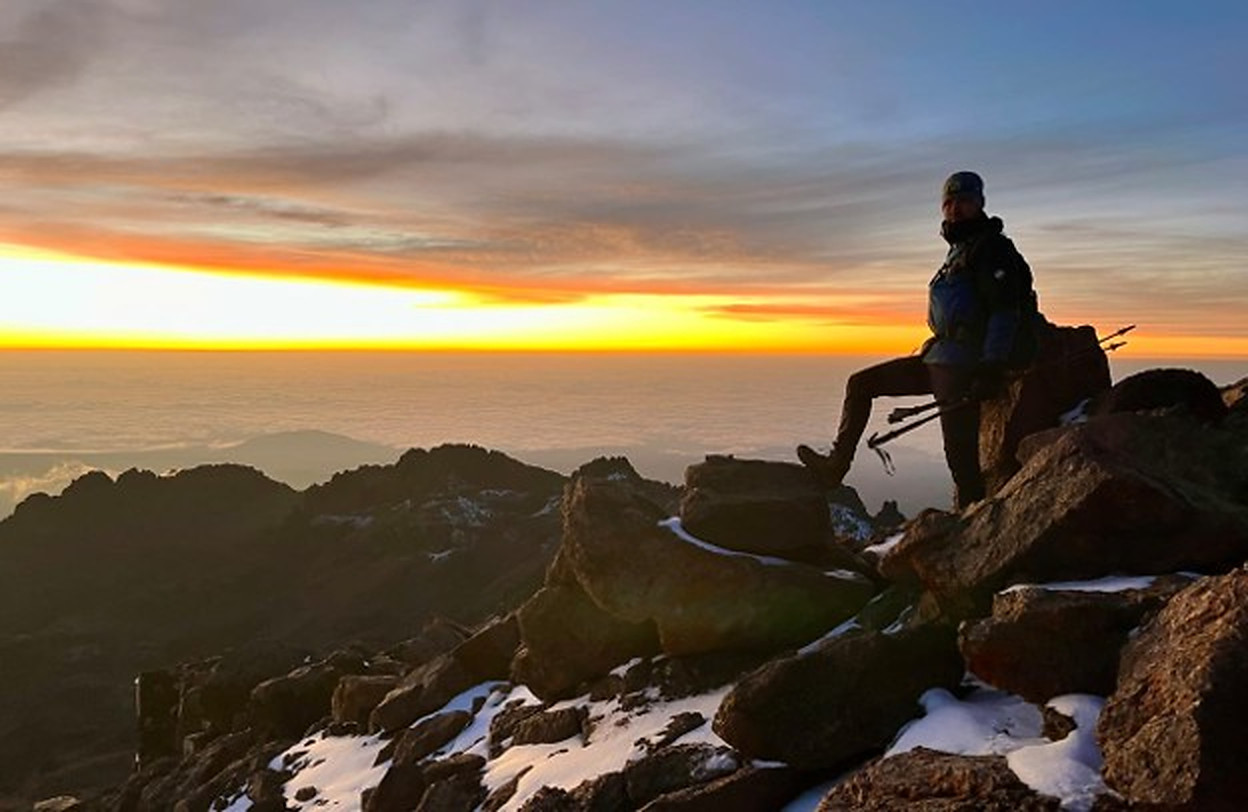
Mount Kenya Expedition Experts
MtKenyaTrekkingExpeditions
Expedition Experts
At MtKenyaTrekkingExpeditions, we believe a successful climb begins at home, far from the mountain itself. Proper preparation, the right information, and understanding of what to expect on the journey all play a major role in creating a safer, smoother, and more rewarding mountain climbing experience.
Prepare
Fitness Level and Endurance Requirement
Trekking
Technical Climbing
Difficulty
A Mount Kenya trek is considered moderate to challenging. While hiking to Point Lenana does not require technical climbing skills, summit night, consecutive hiking days, and high altitude can still be physically demanding. Proper preparation and pacing are important.

Physical Preparation
Recommended training:
- Regular walking or hiking
- Cardio and endurance workouts
- Leg and core exercises
- Practice hikes with elevation gain
- Stretching and mobility work
Depending on your physical fitness level, train 4 – 12 weeks before your expedition
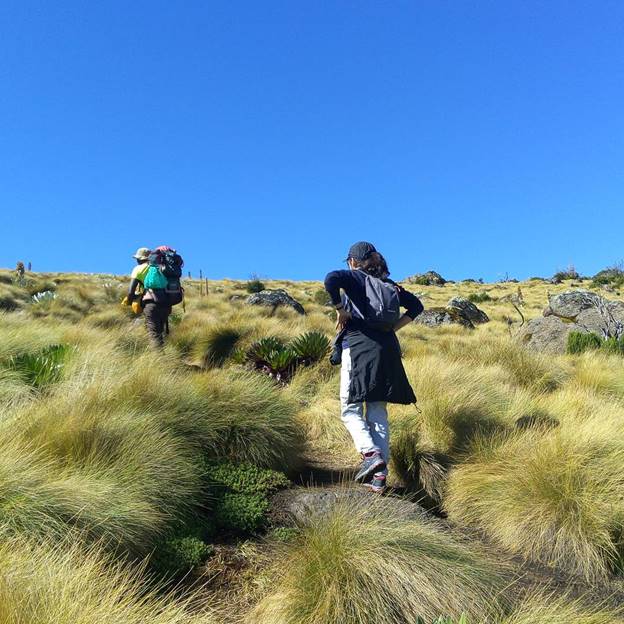
Challenges and Support
Altitude, cold temperatures, changing weather, and fatigue are some of the common challenges hikers face while trekking Mount Kenya. Our experienced guides help manage these conditions through gradual pacing, acclimatization planning, safety monitoring, and full logistical support.
Trekking vs Technical Climbing
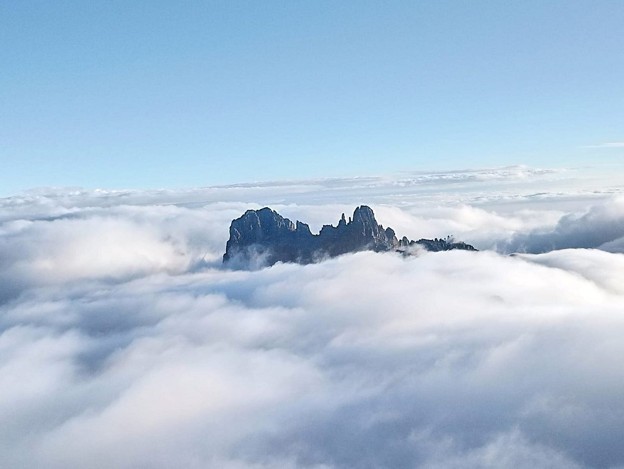
Mount Kenya offers both non-technical hiking and advanced alpine climbing experiences. Most travellers aim for Point Lenana, while experienced mountaineers pursue technical ascents to Batian and Nelion, the mountain’s highest peaks.
To Point Lenana (4,985m)
Point Lenana is the most accessible summit on Mount Kenya and the destination for most hikers. Reaching the summit does not require technical climbing skills, making it ideal for first-time high-altitude hikers and adventure travellers.

To Batian (5,199m) or Nelion (5,188m)
Batian and Nelion are the two highest peaks on Mount Kenya and require technical alpine climbing experience. These climbs involve steep rock faces, highly exposed sections, and advanced multi-pitch climbing techniques.
Success Factors & Risks
Success
- ✓ Proper acclimatisation
- ✓ Good physical preparation
- ✓ Suitable route selection
- ✓ Quality hiking gear
- ✓ Weather conditions
- ✓ Experienced guides and support crew
- ✓ Enough hiking days for gradual ascent
Common Failure Points
- ✗ Altitude Sickness (AMS)
- ✗ Dehydration
- ✗ Summit nights
- ✗ Inadequate gear
- ✗ Poor physical preparation
- ✗ Rapid pace
Mount Kenya Trekking Packages
Explore our guided routes and climbing packages for Mount Kenya.
6 Days Burguret - Chogoria Traverse | Mount Kenya Trekking Tour
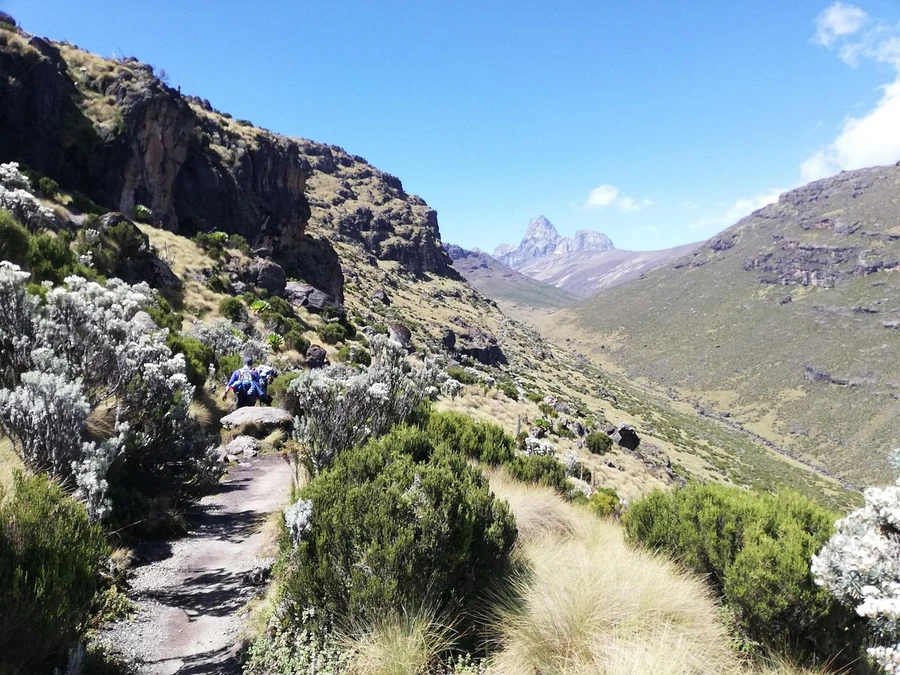
If you’re looking for a more adventurous trail to Point Lenana, then Burguret is the trail for you. Trekking Mount Kenya through the Burguret is a raw experience that gives you a true sense of exploration. It is a wild, less travelled, and physically demanding route passing through dense bamboo, thick montane forest, and remote terrain often used more by wildlife than hikers.Originally opened during the colonial era and later restored in the 1990s, this route offers a true off-the-beaten-path experience.Reaching Point Lenana and descending via the Chogoria route completes a spectacular traverse that combines two adventurous and stunning trails. This Mount Kenya trekking tour passes through beautiful valleys, waterfalls, alpine tarns, and dramatic volcanic landscapes with some of the most scenic views on the mountain. Day 1: Nairobi – Giant Bamboo Camp (2,600m)Our Journey starts with a pick up in Nairobi and depart to Nanyuki. After lunch in the equator town, we continue to Gathiuru Forest Station, where our Mount Kenya trek begins.A 4-hour hike through dense bamboo forest lets us explore a rich wildlife habitat with majestic beasts like elephants and buffalo. We arrive at Giant Bamboo Camp for dinner and overnight. Day 2: Giant Bamboo Camp – Highlands Castle (3,700m)After breakfast, we begin the day’s trek through changing vegetation zones. The bamboo forest gradually opens into tall podocarpus and cedar trees before transitioning into the moorland zone.Along the way, we pass unique alpine vegetation, including giant lobelias and groundsels. After lunch en route, we continue to the dramatic lava cliffs known as Highlands Castle, where we arrive for dinner and overnight.Hiking time is 5-6 hours. Day 3: Highlands Castle – Shipton Camp (4,200m)After an early breakfast, we set off on a scenic trek through increasingly alpine landscapes, with views of jagged peaks, glaciers, and high-altitude lakes.Birdlife such as eagles and buzzards may be spotted overhead as we make our way toward the summit area. After 5–6 hours of trekking, we arrive at Shipton Camp, located below the main peaks, for dinner and overnight.Day 4: Acclimatization Day – Shipton CampToday is dedicated to acclimatization as we prepare to summit Mount Kenya. After breakfast, we take a short hike to nearby areas such as Hausberg Tarns and surrounding ridges, then return to camp for lunch.The afternoon is free for rest and relaxation as we prepare for the summit attempt. Dinner and overnight at Shipton Camp.Day 5: Shipton Camp – Point Lenana (4,985m) – Mount Kenya Bandas (2,950m)We start early at around 3:00 am for the summit attempt. The climb to Point Lenana takes about 3–4 hours over rocky terrain.At the summit, we enjoy a breathtaking sunrise with views that may include Mount Kilimanjaro on clear days.After sunrise, we descend via the Chogoria route to Mintos Hut for breakfast, then continue down through the spectacular Gorges Valley. Along the way, we pass features such as the Temple, Lake Michaelson, Mushroom Rocks, and the Giant’s Billiard Table.We arrive at Mount Kenya Bandas, where we enjoy hot showers, a warm fire, and a relaxing evening. Day 6: Mount Kenya Bandas – NairobiAfter breakfast, we begin our descent through the forest. Depending on conditions, we either take a 1–2 hour trek before transferring by vehicle to Chogoria town, or drive directly from the bandas.From Chogoria, we continue by road back to Nairobi, arriving in the afternoon, marking the end of our Mount Kenya expedition.Why Choose This Route?True wilderness experience with minimal crowdsDiverse landscapes: bamboo forest, moorland, and alpine zoneFull traverse of the mountainSpectacular descent via the Chogoria routeOpportunity to see wildlife and unique high-altitude scenery.
Climb Mount Kenya in 5 days Via the Chogoria-Sirimon Route
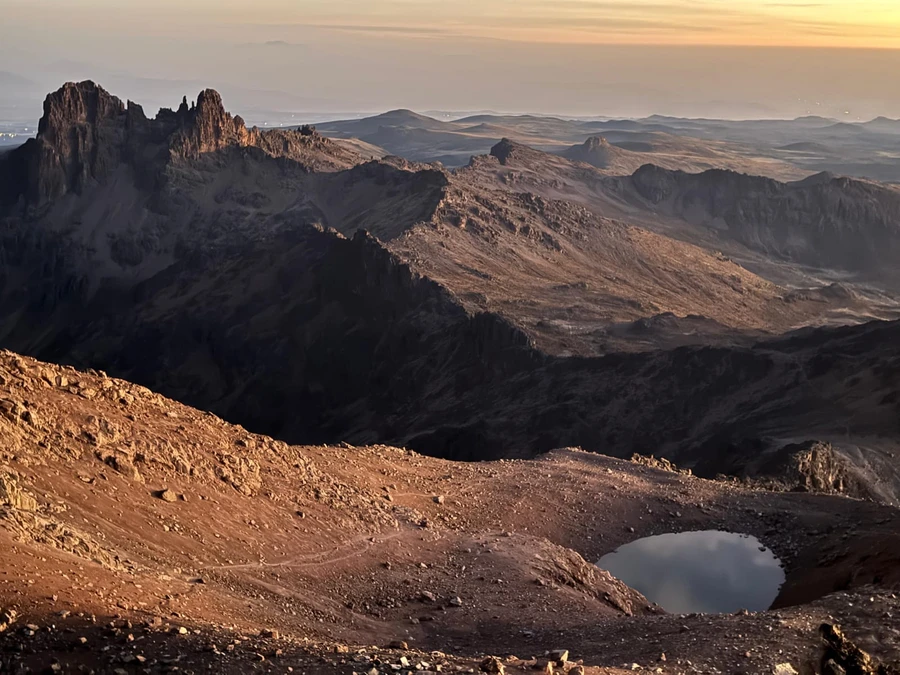
Few routes offer a holistic mountain climbing experience like the Chogoria-Sirimon route. The Chogoria route lies on the north eastern side of Mount Kenya and offers a thrilling highland hike. This route is often regarded as the most attractive route for climbing Mount Kenya due to the high abundance of wildlife and scenic sites. The Sirimon route, on the other hand, makes up for what Chogoria lacks. With a gentle trek, the Sirimon route provides gradual descent with great views of the moorland on the northwestern side of the mountain.When you climb Mount Kenya through Chogoria down Sirimon expect to get the best of what the second-highest mountain in Africa has to offer.All in all, a Chogoria Sirimon 5-day expedition with professional guides is one of the best ways to get the most out of your Mount Kenya trek. Here’s what the itinerary looks like;Day 1: Nairobi (JKIA) - Mount Kenya Bandas (2,900m) 3hrs, 10km, 680m AscentThe journey to climb Mount Kenya begins with a pickup from Nairobi’s Jomo Kenyatta International Airport. Our team will pick you up from Nairobi and commence a three-hour drive to the base of the mountain.After the drive, we have lunch to prepare for the start of our Mount Kenya hike. From here, we take a 4*4 vehicle to the starting line of the trek.Our Mount Kenya trek begins with a hike through a lush bamboo forest that winds uphill and transitions into a heathland. Once we reach the heathland, we make camp at Meru Mt Kenya Bandas, have dinner, and enjoy an overnight stay. Overall, the first leg of our climb will take 3 hours and cover a 680m ascent.Day 2: Mt Kenya Bandas – Lake Ellis Camp (3,600m) 3hrs, 9km, 700m AscentOur second day of climbing Mount Kenya comes with two options each providing its own unique experiences.After breakfast, you can choose to climb Mount Kenya using the route that goes through Lake Ellis or follow the path near Ontulili river. The river path comes with plenty of vegetation and wildlife to view and enjoy. On the other hand, the Lake Ellis route is a bit longer but offers great sights that are worth the extra mile. On the route, you can enjoy the sights of Muga Hill, Ithangani, and if lucky catch glimpses of Batian and Nelion peaks.We then pause our Mount Kenya trek to have lunch and rest while taking in the sights. The journey continues until we reach our campsite, have dinner, pitch tents, and call it a day.Day 3: Lake Ellis Campsite – Minto’s Camp. (4,200m) 12km, 600m AscentOnce we’ve had breakfast, we continue following the track uphill until we rejoin the Mount Kenya Chogoria route. The hike ahead is a 4-hour trek to our next camp. By this time and altitude, the journey may start becoming difficult. So, we take steady steps and spend the day acclimatizing.As we continue trekking Mount Kenya on this day, we’ll pass through the Gorges Valley. This valley provides scenic views of the peaks to the front and Giants Billards Table and Mugi Hills to the back. Before we reach Minto’s camp, we’ll also be served with spectacular views of the Temple and Lake Michaelson.We end the day at Minto’s Camp where we have dinner and rest early in preparation for the summiting day.Day 4: Minto’s Camp – Point Lenana (4,985m) – Old Moses Camp. 24km 785 ascent, 1,685 DescentThe day starts early at 3 AM to catch the stunning sunrise on the peak of Point Lenana. The trek takes us through a steep path that cuts through a cliff and takes about 3 hours. As the darkness clears, point Lenana becomes visible. After summiting Mount Kenya, we rest at the peak, take in the views, and have a photographing session.We start our descent via the Mount Kenya Sirimon route by trekking to Shimpton’s camp for breakfast. Our Mount Kenya trek through the Sirimon route is a gentle and exciting trek that sees us passing by great sights like Mackinder’s Valley. The journey continues to Old Moses camp where we have dinner and an overnight stay.Day 5: Old Moses Camp – Nairobi, 2 hoursAs we near the end of our journey we have a hearty breakfast in the morning and continue with the descent. The last leg of our Mount Kenya hike will take us to the foot of the mountain at Sirimon Park gate. We take a vehicle to Nairobi as we say goodbye to Mount Kenya.The conclusion of our journey takes place in Nairobi late afternoon.
Climbing Mount Kenya 5 Days Via Sirimon - Chogoria Route
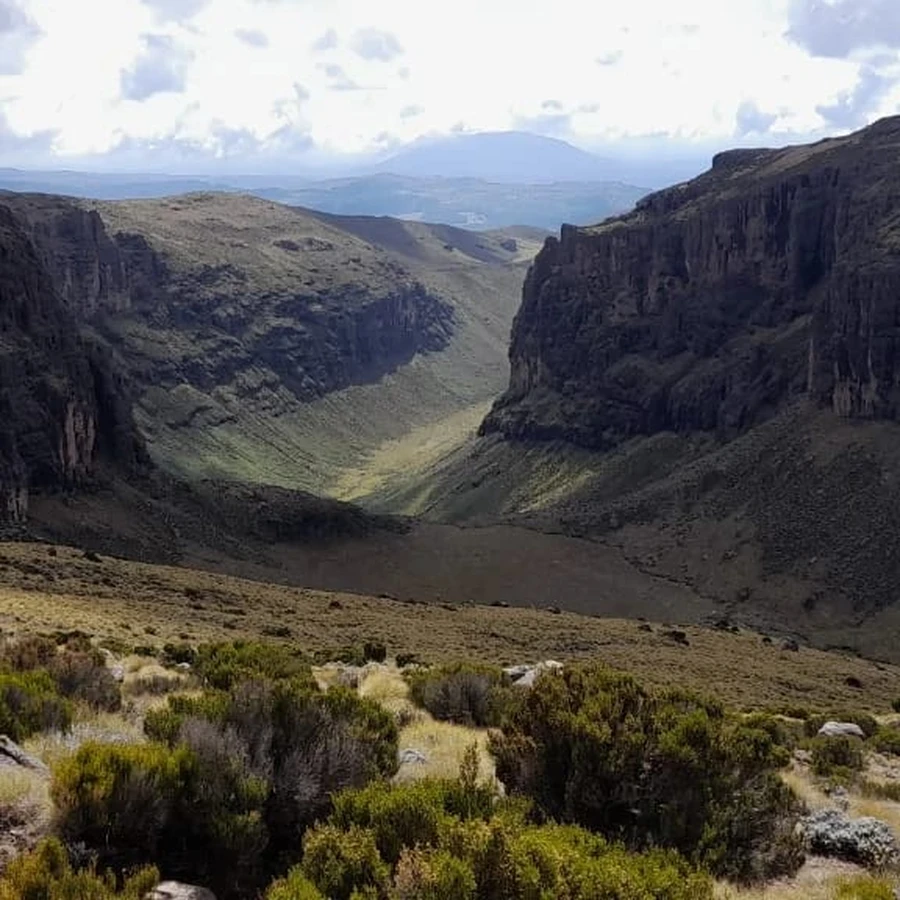
Among the best Mount Kenya climbing routes, the Sirimon and Chogoria routes stand out the most. The ascent via Sirimon route provides a gradual climb with few steep sections. Since the route is on the Northern side of the mountain; the dry side, you can expect good weather while climbing Mount Kenya. Sirimon route is also one of the most scenic routes with diverse forest vegetation and wildlife.The descent via the Chogoria route gives you access to a less crowded, more scenic route with tons of beautiful landscapes. Mount Kenya Chogoria route offers picturesque sights like the Temple and waterfalls. Although this route is a bit harder than Sirimon on the ascent, it makes up for it by providing a thrilling descent. A 5-day Sirimon–Chogoria expedition is one of the best ways to experience the highlights of Mount Kenya while allowing enough time for acclimatization before reaching Point Lenana. Mount Kenya 5-day Sirimon-Chogoria Itinerary Day 1: Nairobi – Sirimon Gate- Old Moses Camp. (3,300m) Your Mount Kenya adventure begins with a pickup either from Jomo Kenyatta International Airport (JKIA) or from your hotel in Nairobi, depending on your arrival arrangements.We drive from Nairobi to Nanyuki, where we will have lunch before continuing to the Sirimon Gate at the foot of Mount Kenya. After completing the park formalities, we begin our hike through the forest.The first section of the trek takes approximately 3–4 hours as we gradually ascend through the forest and into the moorland zone. We continue to Old Moses Camp, where we have dinner and spend the night.Hiking time: 3–4 hoursDistance: approximately 9 kmElevation gain: approximately 680 mOvernight: Old Moses CampDay 2: Old Moses – Shipton Camp (4200m) After breakfast, we begin our trek towards Shipton Camp. We hike through the moorland, passing the Ontulili River before continuing towards Mackinder's Valley.The views become increasingly spectacular as we approach the higher elevations, with the main peaks of Mount Kenya coming into view. We continue to Shipton Camp, where we have dinner and spend the night.Hiking time: approximately 7 hoursDistance: approximately 14 kmElevation gain: approximately 900 mOvernight: Shipton Campends at Shipton Camp where we have dinner and an overnight stay. 7 hrs, 14Km, 900m AscentDay 3: Shipton Camp - Acclimatizing Day Today is dedicated to acclimatization and relaxation before the summit attempt.We will spend part of the day exploring the area around Shipton Camp, with an optional acclimatization hike towards Hausberg Tarn and Oblong, depending on the group's energy levels and conditions.We return to camp for lunch and spend the afternoon resting and preparing for the summit night. An early dinner and early rest will help us prepare for the following day's summit attempt.Overnight: Shipton CampActivity: Acclimatization and short exploration hike Day 4: Shipton – Point Lenana (4,985m) – Bandas Mount Kenya (2,900m) We wake up around 3:00 AM and begin our summit attempt towards Point Lenana, the highest trekking peak on Mount Kenya.The climb starts in the early morning darkness, using headlamps as we make our way up the rocky trail. After approximately 3 hours of hiking, we reach Point Lenana in time to enjoy the sunrise and spectacular views across Kenya.After celebrating our summit achievement, we begin our descent via the scenic Chogoria Route. We stop at Minto's Camp for breakfast before continuing towards the Mount Kenya Bandas.The descent takes us through some of Mount Kenya's most spectacular scenery, including Gorges Valley, the Temple, Lake Michaelson, Mushroom Rocks, and the Giant's Billiard Table.We arrive at the Mount Kenya Bandas, where we have dinner and spend the night.Hiking time: approximately 11–12 hoursElevation gain: approximately 785 mElevation loss: approximately 2,085 mOvernight: Mount Kenya BandasDay 5: Mount Kenya Bandas – Nairobi After breakfast, you have two options for completing the final section of the trek, depending on your preference and the conditions on the day.Option 1 – Vehicle from Mount Kenya BandasYou can take a 4x4 vehicle from Mount Kenya Bandas down the mountain to Chogoria town. From Chogoria, we connect with our vehicle for the journey back to Nairobi.This option is recommended for guests who would prefer to finish the mountain trek without an additional long walking section.Option 2 – Hike to Chogoria TownAlternatively, you can continue hiking for approximately 6–7 km from the Mount Kenya Bandas towards the lower slopes of the mountain. From the end of the hiking section, we meet our vehicle and continue by road to Chogoria town, where we connect with our transport back to Nairobi.We then drive from Chogoria towards Nairobi, arriving in the late afternoon or early evening, depending on traffic and road conditions.Hiking distance: approximately 6–7 km (Option 2)Transport: Chogoria to NairobiEnd of the expedition: Nairobi
Logistics
Cost and Services
Our average cost for a Mount Kenya trekking tour is $850 - $1250, while a technical climb to the peaks of Batian or Nelion costs $1850 - $2100. The price varies depending on route, number of days, group size, and accommodation style
We also provide premium upgrades on tours that ascend via the Chogoria route. The benefits of premium include;
• Upgraded tents • Portable toilets • Higher level of support
You can send us your request and we will advise you on climbing Mount Kenya based on your preferences.
Service Breakdown
- • pickup & from Nairobi
- • Transfer from Nairobi to Mount Kenya and back
- • All Park fees
- • Professional guides and additional technical climbing guides for technical climbing tours
- • Ropes and anchors for technical climbs
- • Meals on the mountain
- • Full camping gear
- • Porters for carrying climbing and camping gear
- • Cooks ensure fresh and hot meals every day
- • Mountain Hut accommodation on routes with huts at campsites
- • Full first aid kits
- • Health monitoring
- • Emergency assistance
-
• Available Premium upgrades◦ Mess tent with dining table and chairs◦ Private toilet◦ Warming stove
Travel Regulations
International travellers typically arrive through the Jomo Kenyatta International Airport or Wilson Airport in Nairobi. Visitors travelling to Kenya require:
Before travelling, always check the latest Kenya travel requirements and health recommendations.

Equipment
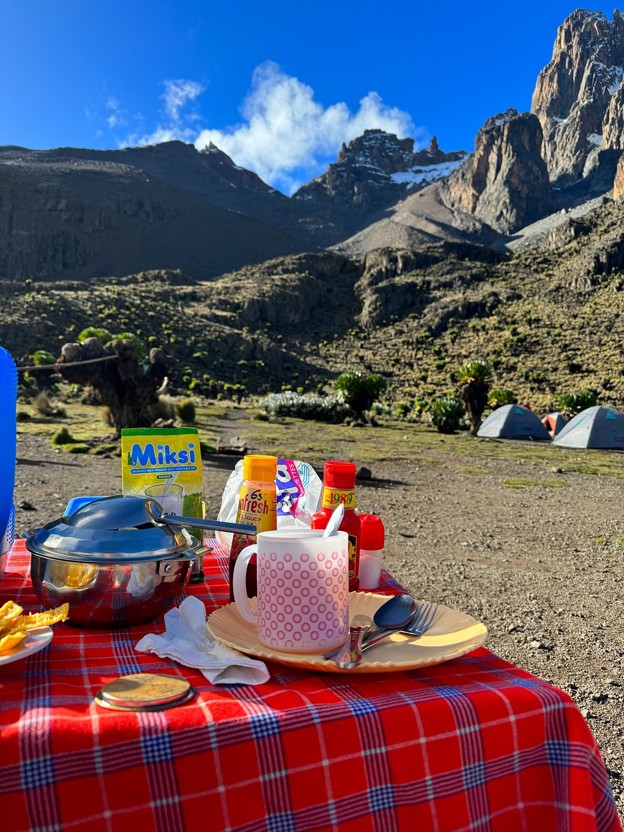
Proper equipment is essential for a safe and comfortable Mount Kenya climbing experience. Camping equipment is included as part of our standard tour support, while hikers are encouraged to bring their own personal hiking and climbing gear for the best fit, comfort, and familiarity. If certain items are difficult to travel with or obtain beforehand, we can assist with gear hire arrangements upon arrival.
Recommended personal climbing gear include:
- Waterproof hiking boots
- Warm layered clothing
- Waterproof jacket and pants
- Headlamp
- Gloves and warm hat
- Sleeping bag
- Trekking poles
Accommodation
Accommodation during the climb depends on the route:
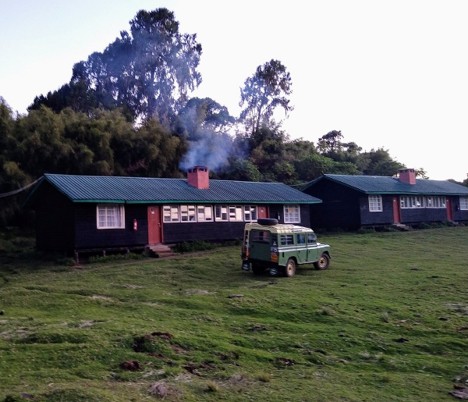
Mountain Huts
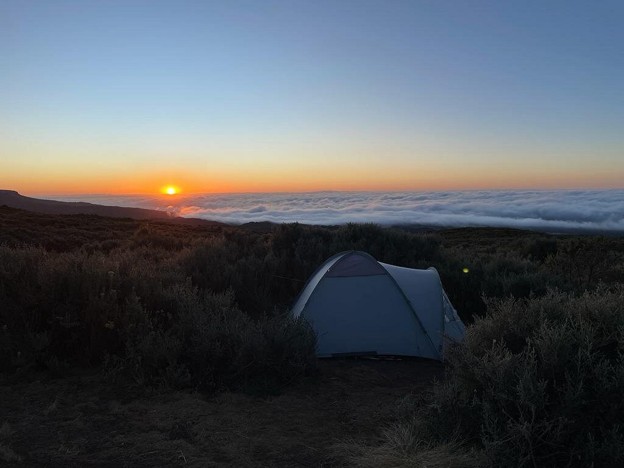
Fully Supported Camping
We provide tents, camping equipment, and logistical support.
Safety
Acclimatization
Altitude affects everyone differently, regardless of fitness or hiking experience. Proper acclimatization is one of the most important parts of a successful Mount Kenya trekking experience.
Our professional guides help you effectively acclimatize through gradual ascent, proper pacing, hydration reminders, and rest schedules while monitoring the effects of altitude gain on your health. Longer itineraries generally improve summit success rates and reduce the risk of altitude sickness.
Weather & Altitude
Weather and Altitude The weather on Mount Kenya varies with altitude and time of day. Lower slopes are usually mild and comfortable, with daytime temperatures averaging 15–22°C, while higher camps and summit areas can drop to 0°C or below at night. Expect cool mornings, bright daytime sunlight, occasional mist or light rain on forest sections, and crisp, clear conditions higher on the mountain.
Safety Protocols
Guided Mount Kenya climbs follow established mountain safety procedures to improve comfort and reduce risk.
- ✔ Guided summit attempts
- ✔ Emergency response planning
- ✔ Daily health monitoring
- ✔ Medication for alleviating altitude effects (Diamox)
- ✔ Controlled hiking pace
- ✔ Experienced support teams
Choosing experienced guides significantly improves both safety and overall experience on the mountain.
Trip Details
Routes to Take
Sirimon
The Sirimon Route is the most popular route for Mount Kenya climbing, known for its gradual ascent, open landscapes, and reliable acclimatization profile. The trail passes through forest, moorland, and scenic valleys before reaching higher alpine terrain. It is best suited for first-time hikers, moderate climbers, and anyone seeking a balanced and comfortable Mount Kenya hiking experience.
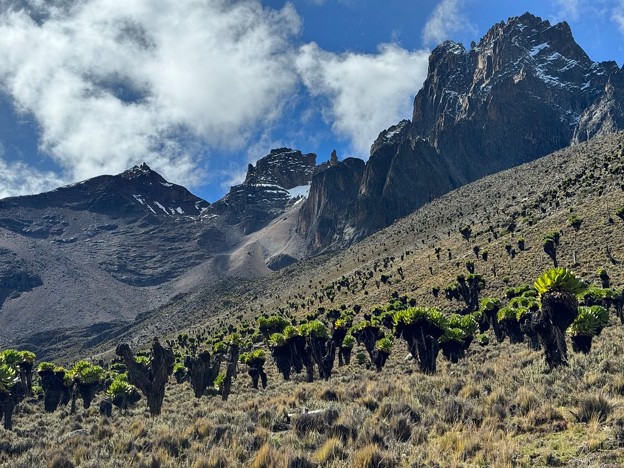
Chogoria
The Chogoria Route is widely regarded as the most scenic route on Mount Kenya, featuring waterfalls, alpine lakes, dramatic gorges, and expansive valley views. The landscapes feel more rugged and visually striking throughout the climb. It is best suited for photographers, nature lovers, and hikers looking for a more immersive and scenic trekking experience.

Naro Moru
The Naro Moru Route is the shortest and fastest route to Point Lenana, making it a popular option for hikers with limited time. The ascent is steeper and more direct compared to other routes, allowing quicker summit access. It is best suited for experienced hikers, fit climbers, and travellers seeking a shorter Mount Kenya climbing itinerary.
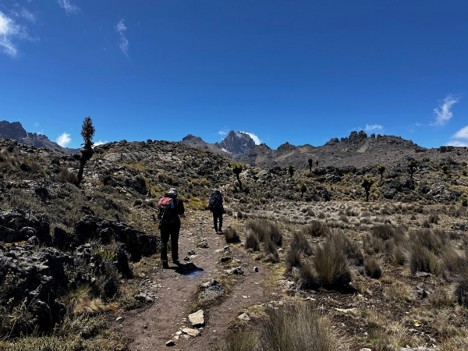
Burguret
The Burguret Route is one of the least travelled routes on Mount Kenya, offering a remote and more rugged mountain experience. Dense forest sections, fewer hikers, and wilder terrain make the route feel more adventurous and untouched. It is best suited for experienced hikers, returning climbers, and travellers seeking solitude and wilderness.
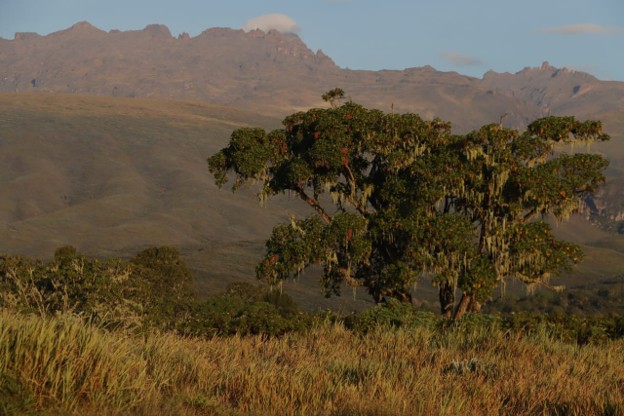
Sirimon – Chogoria & Chogoria – Sirimon Traverse
One of the best route combinations for a complete Mount Kenya climbing experience.
Sample Itinerary
This structured route layout serves as an audited operational roadmap. It details the daily elevation milestones, camp deployments, and physical progression metrics required for an optimal summit vector.
Day 1
Nairobi – first camp
▼
Transfer from Nairobi to the foothills of Mount Kenya before beginning the hike through bamboo forest and heathland terrain. The gradual ascent introduces the mountain’s changing landscapes before arriving at camp for dinner and an overnight stay.
Day 2
first camp – second camp
▼
Ascend steadily through alpine valleys and open moorland while acclimatizing to the altitude. Depending on the route taken, the day includes scenic landscapes, river sections, and possible views of Batian and Nelion peaks before reaching the second camp for dinner and overnight stay.
Day 3
second camp – high Camp
▼
Continue trekking through higher alpine terrain and dramatic valleys as the mountain scenery becomes more rugged and expansive. The trail passes panoramic viewpoints and scenic ridges before reaching high camp, where hikers rest early in preparation for summit night.
Day 4
Summit Day – descent
▼
Begin the pre-dawn ascent to Point Lenana beneath clear night skies and reach the summit in time for sunrise. After spending time at the peak, descend through the same route or a different route depending on your route selection. Pass through more notable features and scenic landscapes to the lower alpine terrain before arriving at the last camp for overnight stay.
Day 5
final camp – Nairobi
▼
Complete the final descent through moorland and forest sections to one of park’s gates. After the hike, transfer back to Nairobi or continuation of the adventure to a Kenya safari destination.

Dietary Considerations
Nutrition is an important part of any mountain expedition tour. Meals on the mountain are designed to support energy, recovery, and acclimatization. Our meals include fresh vegetables, soups, meat, fruits, rice and pasta dishes, tea, coffee, and other hot drinks
In the planning phase, let us know of your nutritional regulations and special diets. We will keep your food sensitivities or allergies in mind and work them into the trip itinerary.
Our guides can accommodate:
Click to Enlarge
Mountain Meals
Not included
- International flight
- Personal climbing equipment
- Private expenses such as beverages
- Travel and health insurance
- Visa fees for Kenya
- Tips and gratitudes
Upgrades
- Premium upgrade
- Airport Transfer
-
Trip extension to Kenya safari parks:
Guides, Porters, and Cooks
Guides, porters, and cooks play a major role in the success of a Mount Kenya hike. Some stay beside you throughout the journey, guiding, supporting, and sharing knowledge about the mountain, while others move ahead to prepare camp, meals, and everything needed for a comfortable experience at the next stop.
Guides
- Route leadership
- Safety management
- Altitude support
- Local mountain knowledge
Porters and cooks
- Carrying equipment
- Setting up camps
- Preparing meals
- Managing mountain logistics
"Beyond logistics and support, we are here to help you feel the rhythm of the climb"
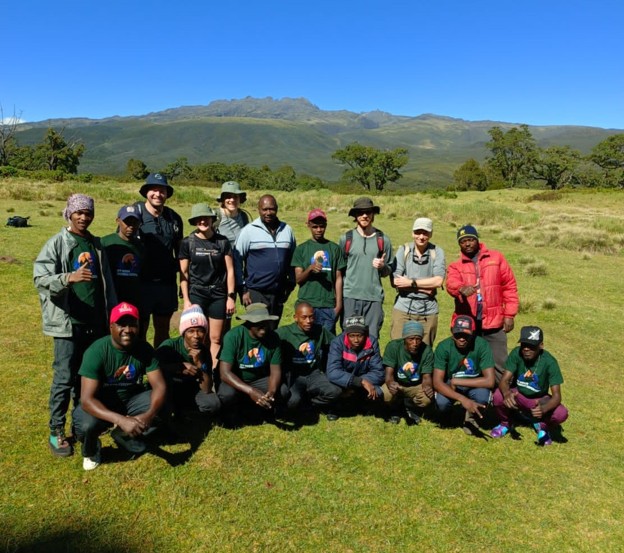
Book your Mount Kenya tour with us today
Free route guide
Which Mount Kenya route is right for you?
Sirimon, Chogoria or Naro Moru? Get our route comparison — acclimatisation profiles, scenery, difficulty and the traverse our guides rate above all — straight to your inbox, written by the team that climbs them every week.
The route guide is sent whether or not you choose newsletter updates.