Mount Kilimanjaro

Climb Africa’s highest mountain with our Mount Kilimanjaro trekking tours, crafted for travellers seeking to touch the roof of Africa.

Mount Kilimanjaro Trekking Tours and Packages

Climb Africa’s highest mountain with our Mount Kilimanjaro trekking tours, crafted for travellers seeking to touch the roof of Africa.

Standing at 5,895 meters above sea level, Kilimanjaro guides you through rainforest, heather and moorland, alpine desert, and the icy summit zone of Kibo.

Our Mount Kilimanjaro packages are privately arranged for you and your travel companions. Expert guides, experienced porters and cooks handle park fees, camping setups, and provide outstanding mountain expedition support, all included in your chosen itinerary. We offer various routes and durations to accommodate different fitness levels, schedules, and trekking preferences.

"Touch the Roof of Africa"
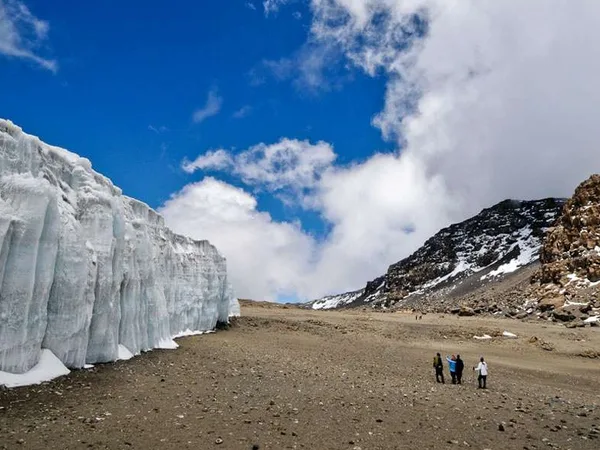
Tourists close to a giant glacier on top of Kilimanjaro after a successful Mount Kilimanjaro hike
7 Days
Hiking Mount Kilimanjaro 7 Days Via Machame Route

Mount Kilimanjaro

Mount Kilimanjaro Machame route is a popular trail praised for its beautiful views. The route offers a diverse range of…

Starting from

$2600

Per Person

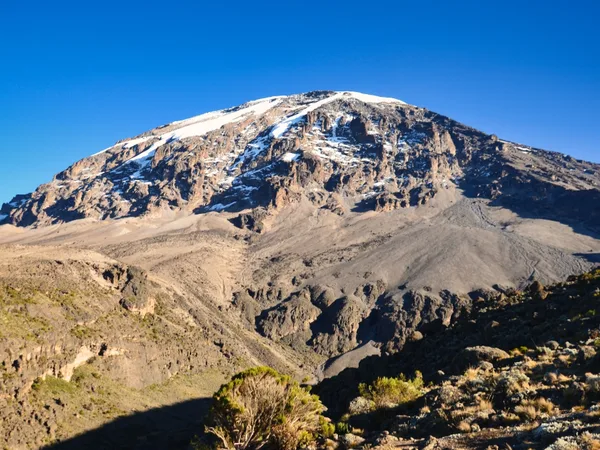
The Snowcapped Uhuru Peak of Kilimanjaro on a clear sunny day perfect for climbing Mount Kilimanjaro
7 Days
Climb Mount Kilimanjaro Via Lemosho Route 7-day Adventure

Mount Kilimanjaro

Although a relatively new route, Lemosho has steadily risen in popularity to become the most scenic route for climbing …

Starting from

$2600

Per Person

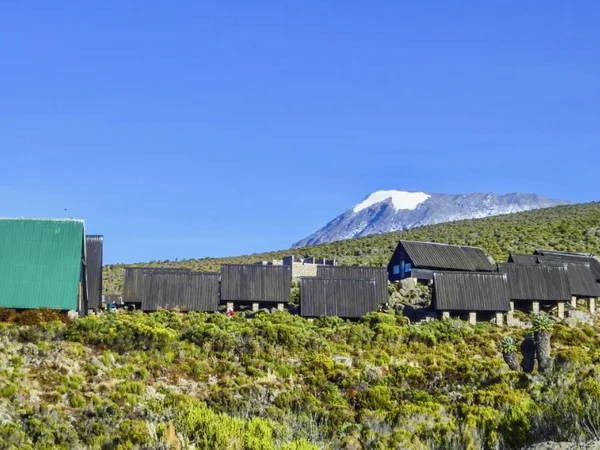
Cabins along Marangu route for hikers trekking Mount Kilimanjaro, blue sky, and snowcapped peak
6 Days
Mount Kilimanjaro Hike 6-day Adventure Through Marangu Route

Mount Kilimanjaro

The Mount Kilimanjaro Marangu route, also known as the ‘Coca Cola route’, is arguably the easiest route to summit the h…

Starting from

$2400

Per Person

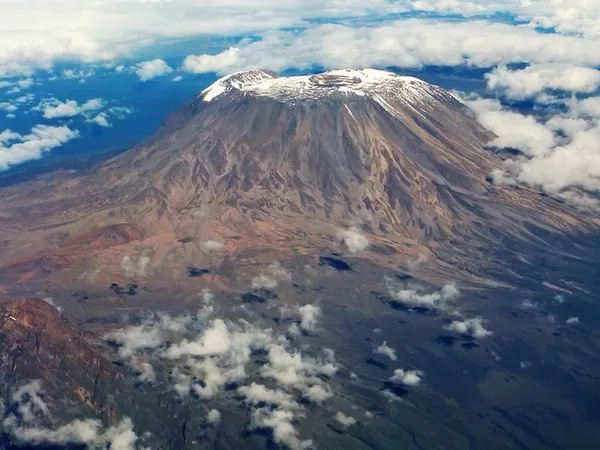
An aerial view of Mt Kilimanjaro with its peak that tourists on Mount Kilimanjaro hike aim to reach
7 Days
Climbing Mount Kilimanjaro 7 Days Via Rongai Down Marangu Route

Mount Kilimanjaro

Good

Starting from

$2600

Per Person

Photo Highlights

Mount Kilimanjaro
Mount Kilimanjaro
Mount Kilimanjaro
Mount Kilimanjaro

Reaching Uhuru Peak

Mount Kilimanjaro is a dormant volcano made up of three volcanic cones: Kibo, Mawenzi, and Shira. At 5,895 metres, Uhuru Peak on Kibo Crater is the highest point in Africa and the ultimate objective for most trekkers.

Unlike technical mountaineering, Kilimanjaro ascents do not require rock climbing or ropes. The real challenge is the altitude, long trekking days, changing weather, and final summit ascent.

A Mount Kilimanjaro trek is therefore as much about preparation and acclimatization as physical endurance.

Choose Your Kilimanjaro Route

Each Mount Kilimanjaro route provides a different experience on the way to Uhuru Peak, with variations in scenery, duration, difficulty, traffic, and acclimatization opportunities.

Machame Route

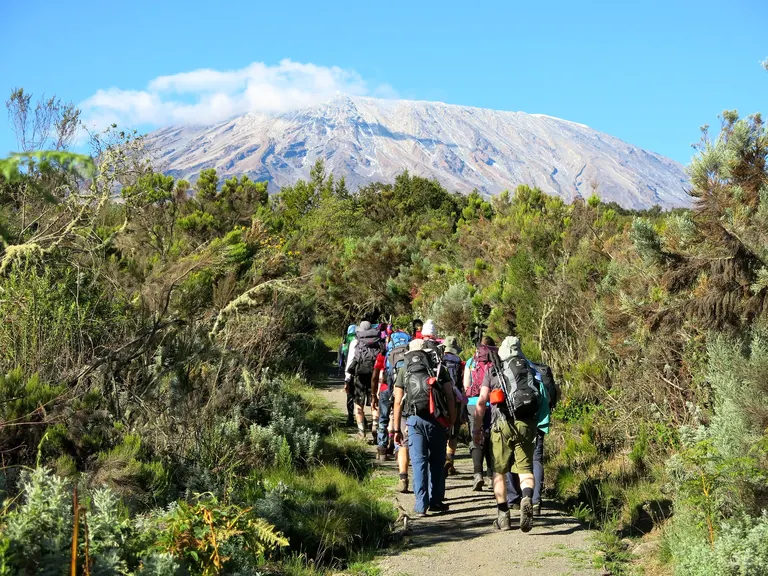
The popular Machame Route is known for its scenic landscapes and varied terrain. The trail passes through rainforest, moorland, and alpine desert before reaching the high summit zone. Longer itineraries provide useful opportunities for acclimatization.

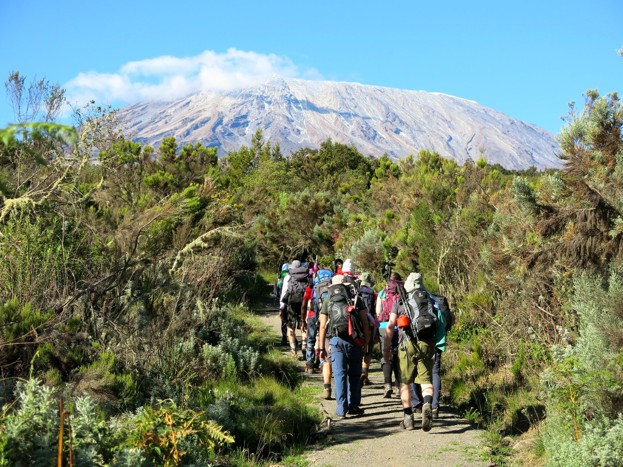
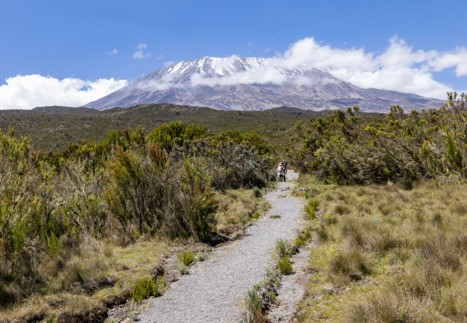
Hikers trekking Mount Kilimanjaro through thick vegetation with Uhuru Peak seen ahead on a sunny day

Trek through the thick vegetation to Kilimanjaro Summit

Lemosho Route

Lemosho offers a beautiful and gradual approach from the western side of Kilimanjaro. The route crosses the Shira Plateau before joining the southern circuit and is a strong choice for trekkers looking for spectacular scenery and more time to adapt to altitude.

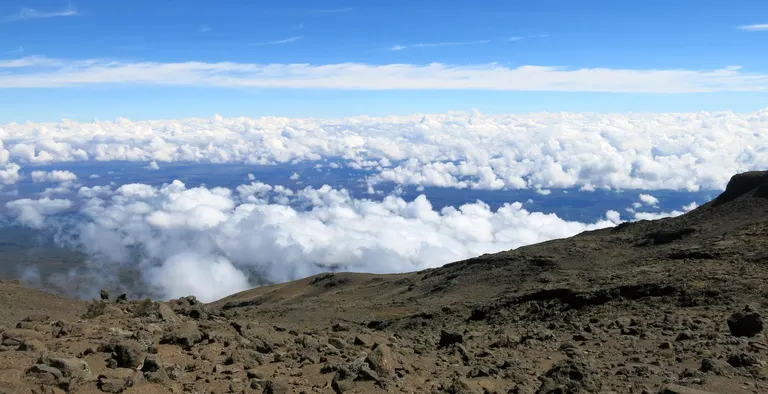
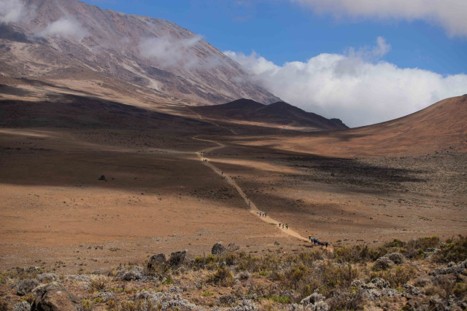
Mount Kilimanjaro landscape at high altitude on barren terrain and clouds seen below

Explore Mount Kilimanjaro above the clouds

Marangu Route

Known as the “Coca-Cola Route,” Marangu is one of Kilimanjaro's most established routes. Unlike most routes, trekkers sleep in mountain huts rather than tents. The route offers a relatively gradual ascent but uses the same trail for both ascent and descent.

Hikers heading to Mount Kilimanjaro summit on a trail through the moorlands on a sunny day

Explore the highest African peak through the Marangu route

Rongai Route

Rongai approaches Kilimanjaro from the northern side near the Kenyan-Tanzanian border. It is generally quieter than the southern routes and provides a different perspective of the mountain, with remote landscapes and expansive views.

The Shira Plateau landscape’s barren landscape with clear trail leading to Uhuru Peak Mt Kilimanjaro

Cross the trail of Shira Plateau to reach Kilimanjaro summit

Northern Circuit

The Northern Circuit takes a longer route around the northern slopes of Kibo. Its extended itinerary allows excellent acclimatization and provides a quieter experience across a broad range of Kilimanjaro's landscapes.

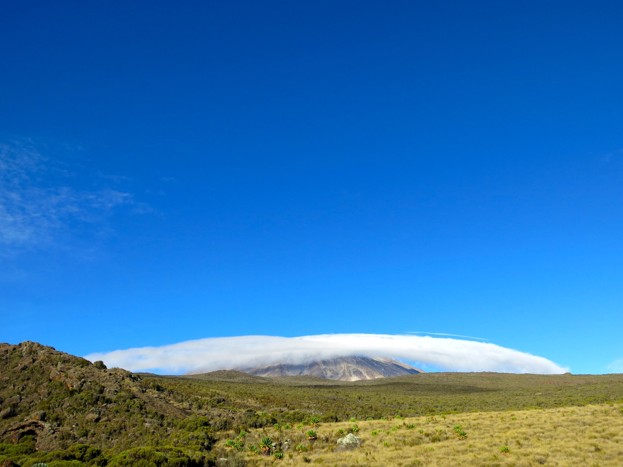
Shira Plateau with grassland and moorland vegetation, Uhuru peak in the distance covered by a cloud

Reach Mount Kilimanjaro peak through the Shira Plateau

Umbwe Route

Umbwe is a steep and demanding route best suited to experienced and physically prepared trekkers. Its direct ascent, steep terrain, and rugged terrain make it one of Kilimanjaro's more challenging approaches.

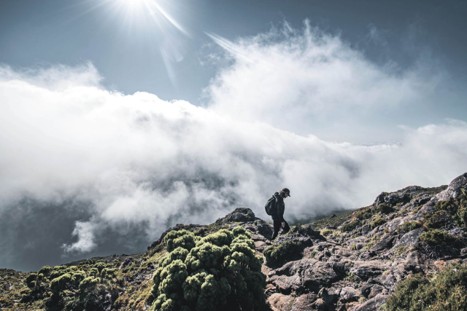
A hiker exploring the rugged terrain of Mount Kilimanjaro at high altitude on a sunny day

Climb the highest mountain in Africa above the clouds

Frequently Asked Questions

How Long Does Trekking Mount Kilimanjaro Take?

It usually takes 6 to 9 days to trek Mt. Kilimanjaro to the summit and back. The length of your trek depends on your chosen route, itinerary, acclimatisation needs, and preferred pace. Our Mount Kilimanjaro trekking packages are available in different durations.

Although shorter climbs can fit more easily into a busy schedule, longer itineraries generally allow more time for acclimatisation. A gradual ascent can make the experience more manageable and give your body additional time to adjust to increasing elevation.

What Does My Kilimanjaro Package Include?

Your Mount Kilimanjaro climbing tour is organised around the essential services needed for the expedition. Depending on your selected package, these may include:

  • Professional mountain guides
  • Meals throughout the trek
  • Camping gear
  • Park and conservation fees
  • Porters and cooks’ support
  • Camp setup and trekking logistics
  • A carefully planned route and itinerary

Personal climbing equipment and clothing are required from climbers. You are also recommended to bring a sleeping bag and required to carry toiletries and other personal equipment.

Your Guides & Mountain Support Team

Our experienced Mount Kilimanjaro guides are familiar with the mountain’s routes, terrain, weather, altitude, and changing conditions. Porters and cooks will also form part of your expedition team, helping with equipment, meals, camp setup, and other essential logistics.

Our guides help maintain an appropriate pace, monitor your progress, support acclimatization, and make decisions based on your condition and the mountain’s changing conditions.

Altitude, Fitness, and Preparation

Although Kilimanjaro does not require technical climbing skills, it does require physical preparation and the ability to hike for several hours on consecutive days.

Altitude is one of the greatest challenges. As you climb higher, the available oxygen decreases, and some trekkers may experience headaches, fatigue, reduced appetite, shortness of breath, or difficulty in sleeping.

Training with regular hikes, cardiovascular exercise, and strength workout a month before the expedition can help prepare you and improve your chances of summiting the highest mountain in Africa. During the trek, a slow pace, proper hydration, good nutrition, rest, and gradual acclimatization are important.
The Kilimanjaro Summit Experience & Wildlife

Summit Experience

Summit day is typically the toughest and most rewarding part of a Mount Kilimanjaro climbing tour. The final ascent usually begins around midnight, taking you through darkness and freezing temperatures toward Uhuru Peak.

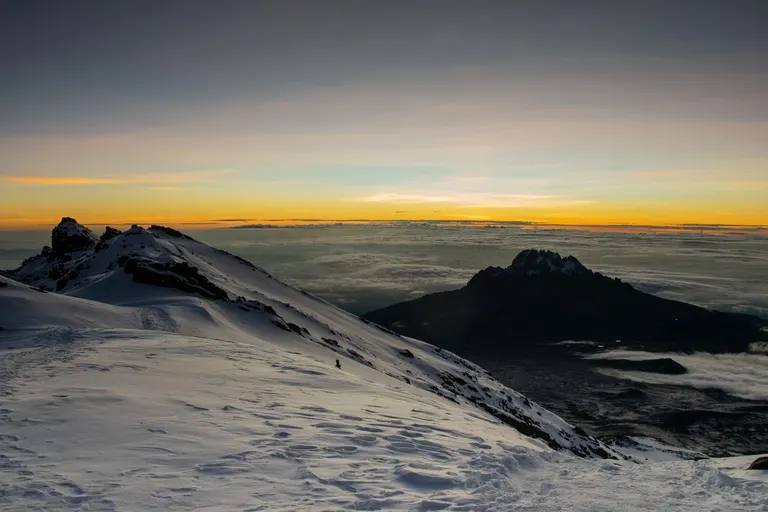
The terrain becomes increasingly rocky and steep as you approach the summit. After several hours of climbing, the first light of dawn begins to appear as you approach Uhuru Peak. The light of dawn illuminates the surrounding landscape before culminating in the experience of standing at Uhuru Peak, 5,895 metres above sea level.

After celebrating the summit, you descend to lower elevations, where the air becomes warmer and easier to breathe after successfully touching Africa’s highest point.

Landscapes and Wildlife on Kilimanjaro

One of Kilimanjaro’s defining features is the dramatic transformation of its environment with altitude. Lower slopes are covered by lush rainforest, where trekkers may encounter monkeys and diverse birdlife. Higher up, the forest gives way to heather, moorland, giant lobelias, and senecios.

The landscape then becomes increasingly stark as you enter the alpine desert, with remarkable landmarks including the Shira Plateau, Barranco Valley, Lava Tower, Karanga Valley, Mawenzi Peak, and the glaciers and volcanic terrain surrounding Kibo.

Start Your Kilimanjaro Adventure

A Kilimanjaro climb is a journey through several distinct environments, culminating at the roof of Africa. With our professional guides, experienced support staff, carefully planned itineraries, and essential expedition arrangements, you only have to concentrate on the mountain and the experience.

Explore our Mount Kilimanjaro trekking tours, compare our Kilimanjaro packages, and choose the route and duration that best suits your adventure.

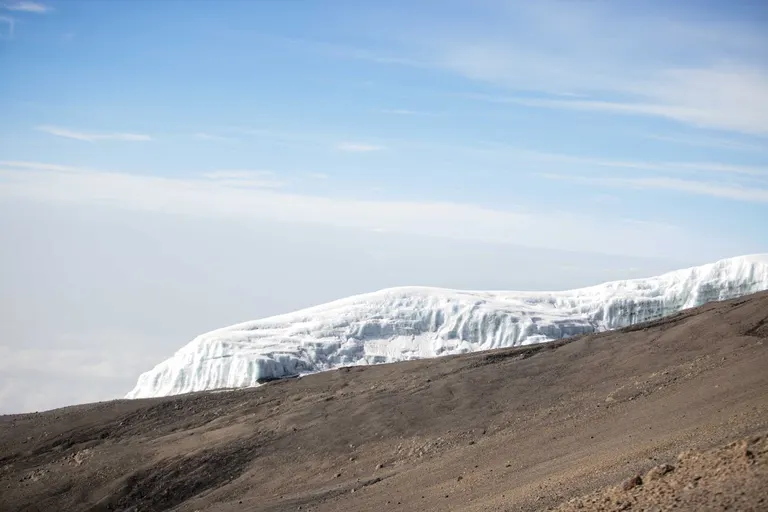
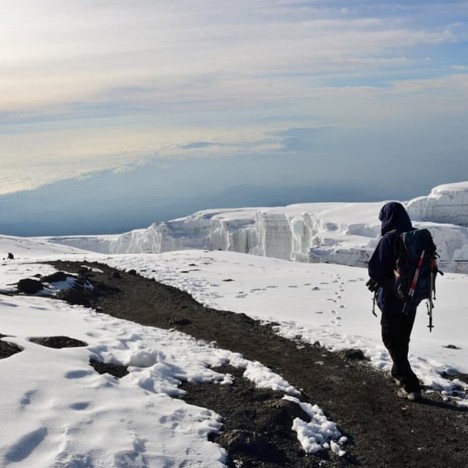
A hiker trekking Mount Kilimanjaro’s summit snowy trails with massive glaciers on his side

Explore the glaciers of Mount Kilimanjaro