Mount Kenya Trekking Routes: Complete Guide on Mt Kenya Trails

Mount Kenya is one of Africa’s most rewarding high-altitude trekking destinations. It offers diverse landscapes, multiple summit options, and a wide range of trekking experiences for hiking enthusiasts. From gentle alpine walks to demanding summit pushes, as well as technical climbs for rock climbers. The mountain caters to first-time trekkers, seasoned hikers, and technical climbers alike.
Thus, choosing the right Mount Kenya trekking route is one of the most important decisions you will make when planning your expedition. Route choice affects acclimatisation, comfort, scenery, safety, and overall success. Whether you are looking for a luxury private trek with added comfort or a budget-friendly guided climb, Mount Kenya has the perfect route for your style and expectations.
This guide explains the main Mount Kenya hiking trails, highlights beginner-friendly and scenic options, and helps you select the best route based on experience level, budget, and trekking goals.
How to Choose the Right Route for Your Mount Kenya Trek
Mount Kenya does not have a single “best” route. Instead, it offers several established approaches, each with a different character. Some routes are gradual and ideal for acclimatisation, while others are steeper, quieter, or more scenic.
When choosing a route, consider:
- Your trekking or mountain climbing experience
- Whether your goal is Point Lenana or technical peaks
- Preference for huts or camping
- Desired comfort level (luxury vs budget)
- Time available for the trek
- Season and weather conditions
Private guided treks allow flexibility in pacing, accommodation style, and itinerary length, making them suitable for both luxury and budget-conscious hikers.

Main Routes to Climb Mount Kenya
Mount Kenya has several recognised climbing and trekking approaches. The most commonly used include:
- Sirimon Route
- Chogoria Route
- Naro Moru Route
- Burguret Route
- Timau Route
- Kamweti Route
Most itineraries combine two routes. You ascend via one and descend via another to improve acclimatisation and scenery.
Mount Kenya Routes Breakdown
Sirimon Route
The Mount Kenya Sirimon Route is one of the most popular and beginner-friendly approaches. It’s known for its gradual ascent, well-maintained trails, and reliable access to mountain huts. The route starts on the drier northern side of the mountain, making it a strong option during wetter seasons and for trekkers prioritising acclimatisation and comfort.
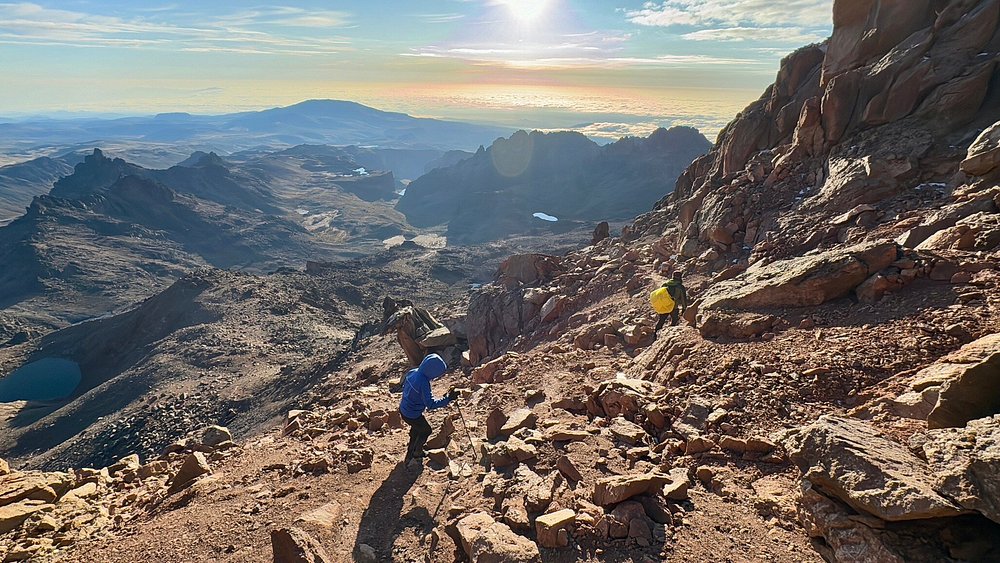
Sirimon is ideal for private guided treks, offering flexibility for both budget hikers and luxury travellers. It provides a steady climb through forest and moorland zones before reaching the alpine environment near Shipton’s Camp and Point Lenana.
Key characteristics
- Gradual elevation gain
- Hut accommodation available
- High summit success rate
- Excellent for beginners and first-time trekkers
Chogoria Route
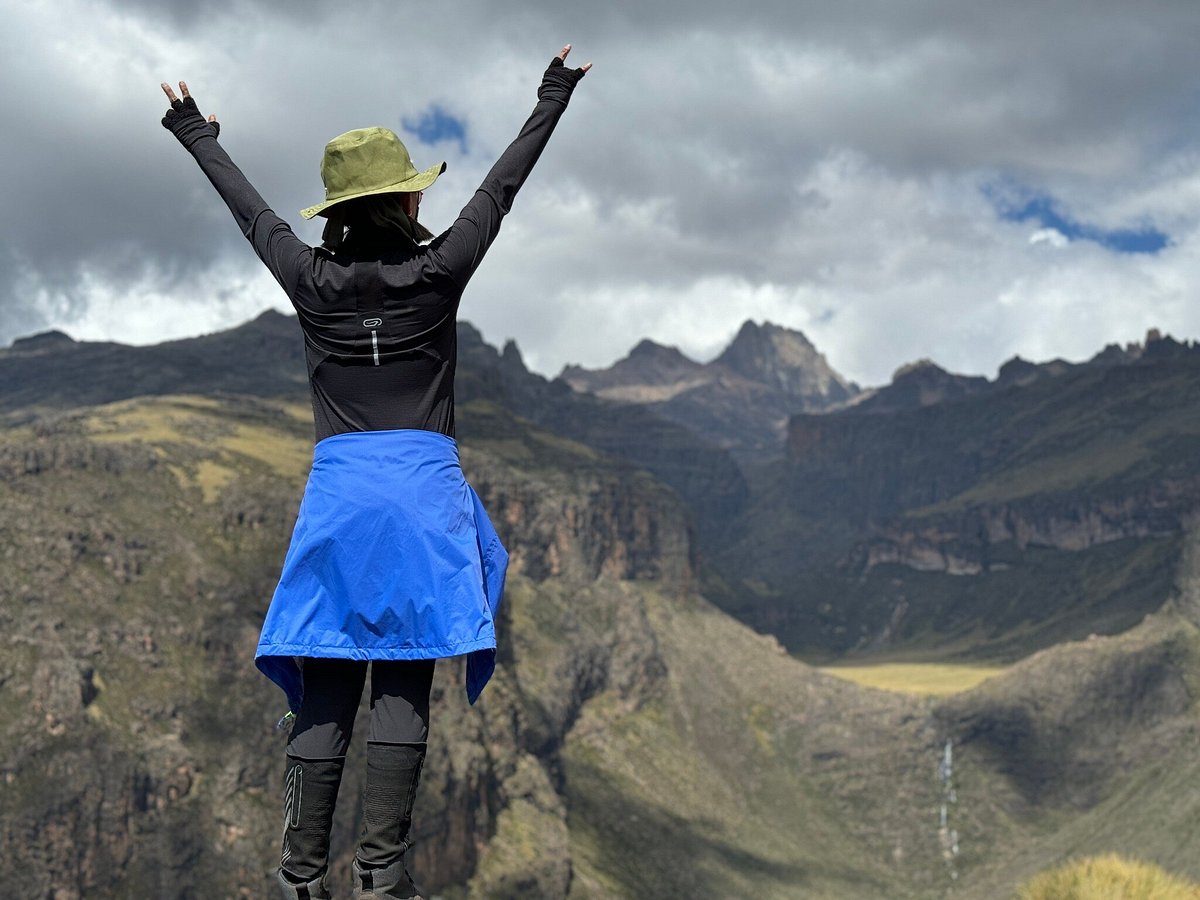
The Chogoria Route is widely regarded as the most scenic of all the routes up Mount Kenya. It approaches the mountain from the east and passes through dramatic landscapes, including deep valleys, waterfalls, and open alpine terrain. This route offers a visually rewarding experience but is slightly longer and more demanding than Sirimon.
Often used as a descent route, Chogoria works well for trekkers who want variety and unforgettable views. It is popular with luxury private treks due to its scenic campsites, though budget-friendly camping options are also available with guided support.
Key characteristics
- Most scenic approach
- Longer trekking distances
- Primarily camping-based but has huts on the main camping sites
- Ideal for photography and nature-focused treks
Naro Moru Route
The Naro Moru Route is the shortest and most direct route to Mount Kenya’s central peaks. It is popular with trekkers who have limited time but good fitness. While the route offers hut accommodation, it includes steeper sections such as the Vertical Bog, which can be challenging, especially in wet conditions.
Because of its rapid ascent profile, Naro Moru is best suited for fit trekkers or those trekking with experienced guides. It is commonly used for budget-friendly private treks and by climbers going on a technical climb of Mount Kenya.
Key characteristics
- Fast and direct ascent
- Steeper and more demanding
- Hut accommodation available
- Best for fit, time-conscious trekkers
Burguret Route
The Mount Kenya Burguret Route is the longest and most remote approach to the peaks. It passes through dense forest, moorland, and wilderness zones with very little foot traffic. This route offers a true off-the-beaten-path experience and is ideal for trekkers seeking solitude and raw landscapes.
Due to its length and limited infrastructure, Burguret is best suited for experienced hikers. It is not recommended for beginners but appeals to those looking for adventure, extended itineraries, and a quiet trek.
Key characteristics
- Remote and rarely used
- Long and physically demanding
- Camping-only route
- Best for experienced trekkers
Timau Route
The Timau Route approaches Mount Kenya from the quiet northern side and is one of the least crowded official routes. It offers gentle gradients in the lower sections and wide-open moorlands, making it suitable for trekkers looking for a quieter alternative to popular routes that is also beginner-friendly.
Timau is often combined with the Sirimon Route for acclimatisation-focused itineraries. It works well for budget-friendly private guided treks and for hikers who value solitude and an intimate experience with the mountain.
Key characteristics
- Quiet northern approach
- Gentle lower gradients
- Limited facilities
- Often combined with Sirimon
Kamweti Route
The Kamweti Route is one of the least used and most forested approaches to Mount Kenya. It passes through dense rainforest and bamboo zones, offering a unique ecological experience. The lower sections can be steep and muddy, especially during the rainy seasons.
Kamweti is best suited for experienced trekkers on privately guided expeditions who are comfortable with limited facilities and challenging terrain. It is not ideal for beginners but appeals to those interested in biodiversity and alternative Mount Kenya hiking trails.
Key characteristics
- Dense forest and bamboo zones
- Steep lower sections
- Camping-only route
- Best for experienced, adventure-focused trekkers

The Best Routes to Climb Mount Kenya
The best route depends on your priorities: comfort, scenery, solitude, or speed. Below is a practical breakdown to help you decide.
What Is the Best Route to Trek Mount Kenya?
For most trekkers aiming for Point Lenana, the Sirimon–Chogoria route combination is widely regarded as the most balanced option. It offers:
- Gradual ascent and better acclimatisation
- Access to huts and scenic campsites
- Diverse landscapes from forest to alpine valleys
The Chogoria route is especially popular for its dramatic views, waterfalls, and open valleys, making it ideal for photographers and nature lovers.
What Is the Easiest Route on Mount Kenya?
The Sirimon Route is considered the easiest and most beginner-friendly. It features:
- Gentle gradients
- Well-defined Mount Kenya hiking trails
- Reliable hut accommodation
- Lower risk of altitude-related issues
This route is ideal for both budget hikers and luxury trekkers who value comfort, safety, scenery, and steady acclimatisation.
Which Route Has the Highest Summit Success Rate?
Routes with longer acclimatisation profiles consistently record higher success rates. Sirimon and Chogoria rank highest, especially when used together in private guided itineraries.
Trekkers who choose flexible schedules and experienced guides significantly improve their chances of reaching Point Lenana safely.
Which Mount Kenya Route Has the Least Crowds?
The Burguret Route is the quietest and most remote. It offers:
- Minimal foot traffic
- Dense forest and wilderness sections
- A true off-the-beaten-path experience
However, it requires strong fitness, navigation experience, and professional guides. It is best suited to experienced trekkers rather than beginners.
Expert Insight: Safety, Comfort, and Route Selection
Safety on Mount Kenya depends on route choice, acclimatisation, and support. While Point Lenana is achievable for most fit trekkers, altitude and weather demand careful planning.
What Is the Safest Route on Mount Kenya?
The safest routes are those with gradual elevation gain, established rescue access, and reliable accommodation.
Sirimon and Chogoria consistently meet these criteria. When paired with professional guides, they offer controlled pacing, strong safety margins, and better overall comfort.
Which Routes Should Beginners Avoid?
Beginners should avoid or carefully approach:
- Burguret Route (remote and demanding)
- Direct ascents via Naro Moru without adding acclimatisation days in the itinerary.
- Technical Mount Kenya rock climbing routes to Batian and Nelion
These routes are better suited to experienced trekkers or climbers with proper equipment and training.

How to Choose the Best Route for Your Private Mount Kenya Trek
Private treks allow you to customise the experience based on comfort level, budget, and trekking pace.
1. Acclimatisation and Summit Success
Best Routes for Acclimatisation
- Sirimon Route
- Chogoria Route
- Sirimon–Chogoria combination
These routes allow gradual altitude gain and are ideal for both luxury and budget hikers.
2. Huts vs Camping: Comfort Preferences
Routes with Hut Accommodation
- Sirimon
- Naro Moru
Huts suit beginners and experienced hikers seeking shelter, warmth, and reduced logistics.
Routes Best for Camping
- Chogoria
- Burguret
- Timau
Camping offers flexibility and can be adapted for budget-friendly private treks or high-end setups with full support teams.
3. Best Routes During the Rainy Season
Sirimon performs better during wet months due to drier terrain and better trail conditions. On the other hand, Chogoria remains scenic but can be muddy after heavy rains.
4. Most Scenic Routes on Mount Kenya
The Chogoria route is the most scenic, featuring:
- Gorges Valley
- Lake Michaelson
- Waterfalls and open alpine landscapes
This route is especially popular for trekkers focused on photography and immersive nature experiences.
5. Routes by Experience Level
Mount Kenya Climbing Routes Suitable for Beginners
- Sirimon Route
- Sirimon–Chogoria combination
These are the most recommended climbing routes on Mount Kenya for beginners with guided tours.
Routes for Experienced Trekkers and Climbers
- Burguret Route
- Naro Moru direct ascent
- Mount Kenya rock climbing routes to Batian and Nelion
Technical climbs require ropes, gear, and at least two certified guides; one for guided treks and the other for rock climbing.
Luxury vs Budget-Friendly Private Guided Treks
Mount Kenya is flexible enough to suit different budgets without compromising safety.
Luxury private treks may include:
- Private guides and porters
- Spacious tents and upgraded logistics
- Private camping toilet
- Hot meals and personalised pacing
Budget-friendly private treks focus on:
- Efficient itineraries
- Shared logistics with private guiding
- Comfortable accommodation
Both options benefit from experienced guides and well-planned routes.
Final Thoughts on Choosing a Mount Kenya Route
Mount Kenya offers a rare combination of accessibility, scenery, and flexibility. With the right route and support, hikers can enjoy a safe and rewarding trek.
By understanding Mount Kenya trekking routes, choosing appropriate Mount Kenya hiking trails, and matching them to your experience and comfort preferences, you set the foundation for a successful and memorable climb.
Whether your goal is a scenic ascent to Point Lenana or a technical adventure on Mount Kenya rock climbing routes, thoughtful planning, proper training, and route selection make all the difference.

Mt. Kenya Trekking Team
Mt. Kenya Trekking Expert