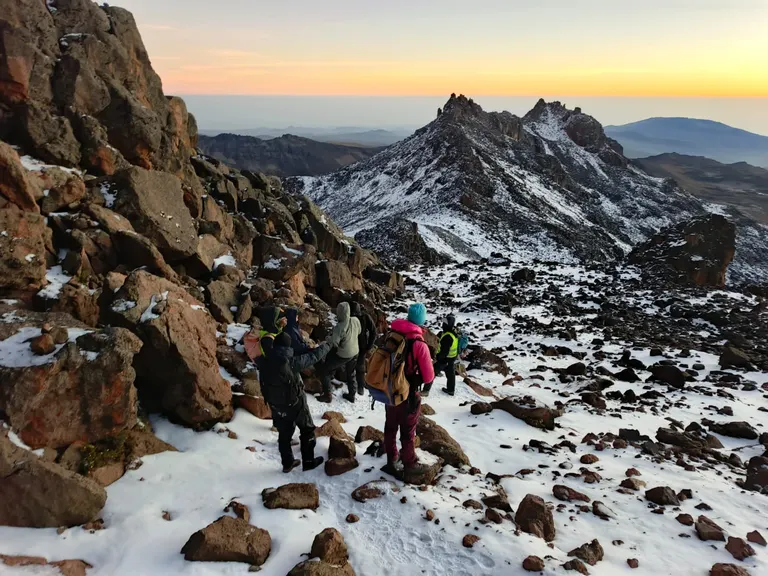
That said, not all dry-season months are created equal. Some fall into what are known as shoulder months, which are transitional periods between wet and dry seasons. While they may bring occasional rain or unpredictable conditions, they also come with unique advantages like fewer crowds, lush scenery, and a quieter, more intimate trekking experience.
If you’ve been asking yourself what’s the best time to hike Mount Kenya, this guide breaks it all down for you. We’ll go over the optimal time to undertake your expedition month by month, route by route, and season by season.
What are the optimal months for a Mount Kenya Hike?
If you're looking for the sweet spot, the answer is simple: the middle of the dry seasons.
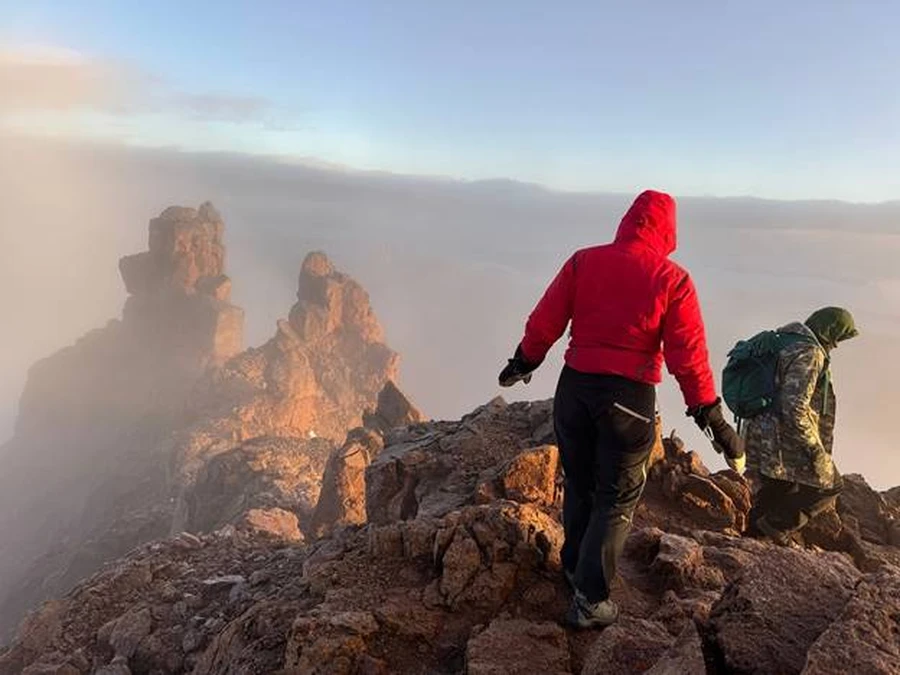
The best months to book your climb are January and February during the short dry season and June, July, August, and September during the long dry season. These months offer stable weather, better visibility, and safer trekking conditions.
Why these months stand out
- Clear views
- Safer and drier trails
- Better summit success:
- More predictable weather
- Ideal photography conditions:
This is the heart of the Mount Kenya trekking season. January and February tend to be warmer and quieter, while June to September offer cooler temperatures and peak trekking conditions. Additionally, planning your trip during these months is easier. There are fewer logistical challenges and safer climbing conditions, especially on technical climbs.
What are the Most Challenging Months to Climb Mount Kenya?
The short answer is: the months of the long rainy season.
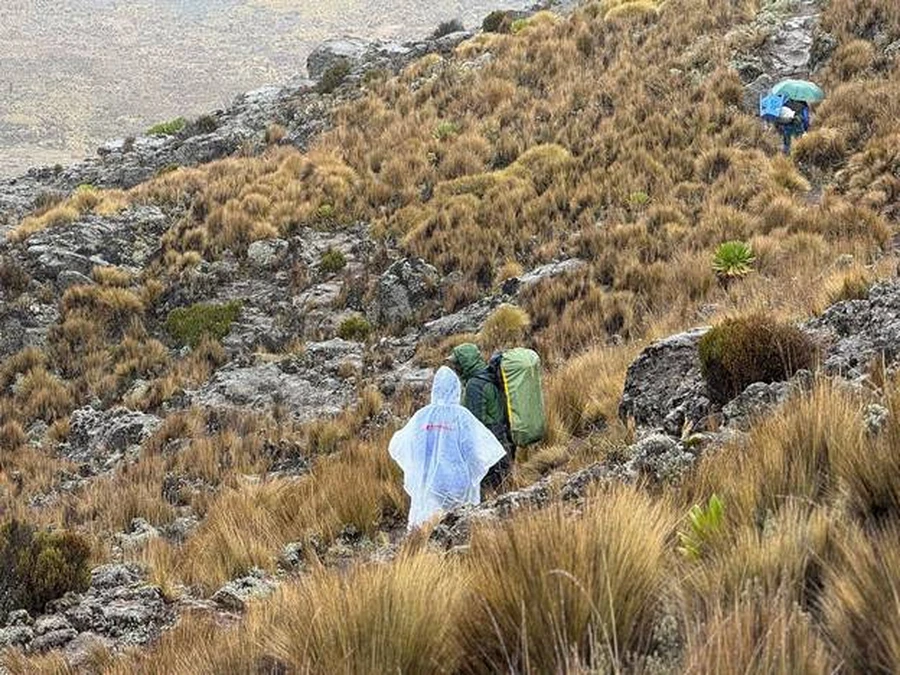
The months of April and May offer the most challenging conditions for trekking Mount Kenya. During these months, trekking becomes significantly more difficult due to heavy rains and muddy trails. While you can successfully reach the summit on these months, you do need to be well-prepared. Adventuring during this season is best suited for experienced climbers and those looking for a quiet trek.
What makes it challenging?
- Heavy rainfall
- Poor visibility
- More challenging logistics
- Reduced summit success rates
Understanding the rainy season climbing conditions is critical before planning your trip. The weather can shift more quickly during this season, with sudden rains and heavy winds. Additionally, summit nights are much tougher compared to the other seasons.
That said, you can still expect long hours of sunshine each day during the long rains.
What About the Shoulder Months & Short Rainy Season?
While most climbers focus on the dry seasons, the shoulder months and short rains on Mount Kenya offer a different kind of adventure. It is quieter, greener, and often more rewarding for those willing to embrace a bit of unpredictability.
The shoulder periods typically fall around late March to Mid-April, early June, and late October into early December, bridging the gap between dry and wet seasons. The short rainy season usually occurs from November to December.
Why You Should Consider These Months
- Fewer crowds: Trails are less busy, campsites quieter, and the experience feels more personal
- Lush landscapes: The mountain comes alive with vibrant vegetation, flowing streams, and dramatic scenery
- Flexible pricing: Some guides and operators offer better rates during off-peak periods
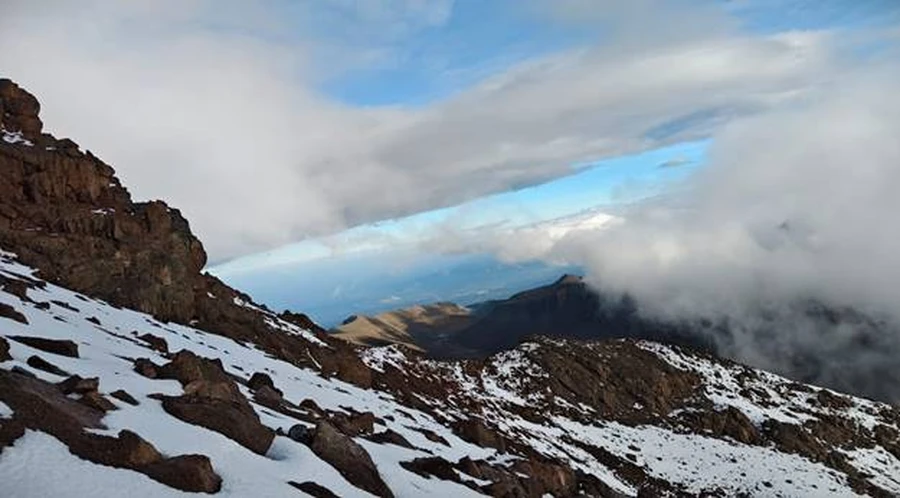
- Unique atmosphere: Misty forests and shifting clouds create a more immersive, almost cinematic trekking experience
For photographers, experienced hikers, and well-prepared beginners too, this period reveals a different side of the mountain that’s often overlooked.
What to Expect
Trekking Mount Kenya during the shoulder months and short rainy season requires preparation and the right mindset. Conditions on the mountain can change quickly due to shifting weather patterns.
- Intermittent rains mostly in the afternoons
- Muddy and slippery trails on some routes
- Reduced visibility
- Cooler weather and nights that feel colder
These conditions reflect typical Mount Kenya rainy season climbing conditions, though they are generally less intense than during the long rains.
Month-by-Month Breakdown
Understanding Mount Kenya weather by month helps you plan with precision. Here’s what to expect throughout the year:
January
- Warm days, cold nights
- Excellent visibility
- One of the best times to summit
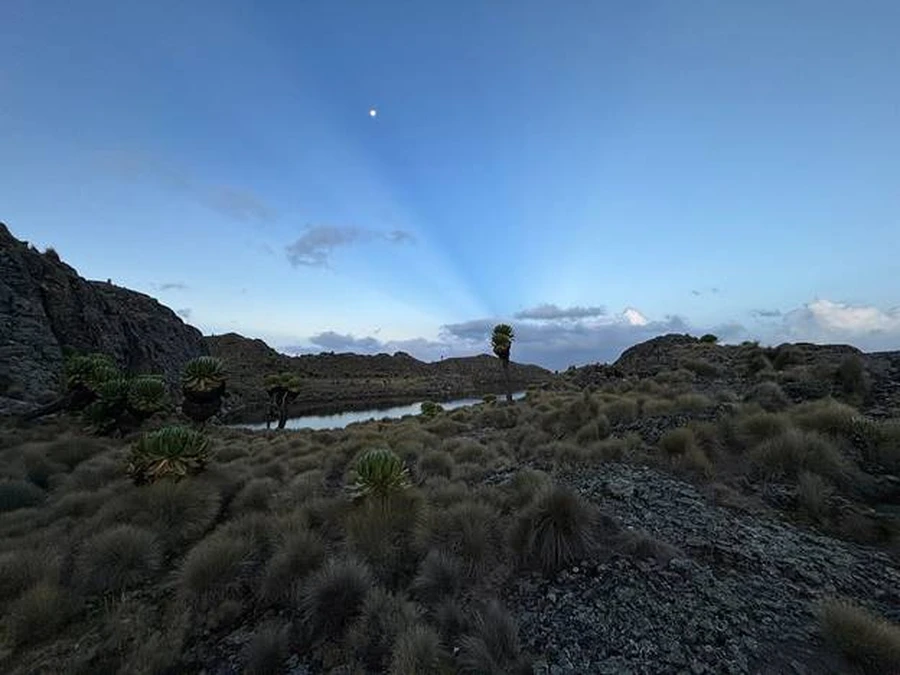
January offers some of the most reliable conditions to trek Mount Kenya, with clear skies and dry trails. The conditions make trekking in January both enjoyable and safe. The alpine views are at their sharpest, and summit attempts are highly successful during this period.
Best suited for: Beginners and experienced climbers alike seeking optimal conditions.
February
- Warm days, cold nights
- Excellent visibility
- One of the best times to summit
Much like January, February continues the dry spell with stable weather and excellent trekking conditions. Trails remain firm, and visibility is outstanding, making it ideal for photography and high-altitude hiking.
Best suited for: All experience levels, especially first-time trekkers.
March
- Moderate to heavy rainfall
- Muddy trails
- Moderately low visibility
March marks the transition into the long rainy season, with increasing rainfall affecting trail conditions and visibility. Trekkers should be prepared for mud, mist, and rapidly changing weather.
Best suited for: Experienced hikers comfortable with wet and challenging conditions.
April
- Heavy rainfall
- Muddy trails
- Low visibility
April is one of the wettest months, with persistent rain creating difficult trekking conditions. Trails can become waterlogged, and summit views are often obscured by thick cloud cover.
Best suited for: Advanced trekkers seeking solitude and don’t mind harsh weather.
May
- Heavy rainfall
- Muddy and slippery trails
- Low visibility
Rain continues through May, though the landscape becomes incredibly lush and vibrant. While trekking is more demanding, the scenery is at its greenest and most dramatic.
Best suited for: Experienced hikers and photographers looking for unique, off-peak conditions.
June
- Start of dry season
- Cooler temperatures
- Improving trail conditions
June signals the return of drier weather, though some lingering moisture may still affect certain routes. Conditions gradually improve, making it a good time to start trekking again.
Best suited for: Beginners and Intermediate hikers who don’t mind slightly unpredictable conditions.
July
- Cold but dry
- Clear skies
- High trekking activity
July brings classic dry-season conditions characterized by cool temperatures, clear skies, and firm trails. It’s one of the most popular months for trekking and summit attempts.
Best suited for: All hikers, especially those who prefer cooler climates.
August
- Cold but dry
- Clear skies
- High trekking activity
August continues the peak dry season with excellent trekking conditions across most routes. Visibility is exceptional, and the mountain is at its most accessible.
Best suited for: Beginners and experienced climbers aiming for a successful summit.
September
- Stable weather
- Slightly warmer than mid-year
- Excellent summit conditions
September offers a balance of warmth and stability, with fewer crowds than peak months. Trails remain dry, and summit conditions are highly favourable.
Best suited for: All experience levels seeking a quieter peak-season climb.
October
- Stable weather
- Slightly warmer than mid-year
- Excellent summit conditions
October continues to deliver strong climbing conditions, though signs of the short rains may begin to appear toward the end of the month. Overall, it remains a reliable time to trek Mount Kenya.
Best suited for: Beginners and intermediate hikers looking for good weather with fewer crowds.
November
- Short rains begin
- Varied weather conditions
- Limited visibility
November marks the start of the short rainy season, bringing intermittent showers and changing conditions. Trekking is still possible but requires flexibility and preparation.
Best suited for: Experienced hikers comfortable with mixed weather conditions.
Early December
- Short rains continue
- Varied weather conditions
- Limited visibility
Early December can be unpredictable, with lingering rain and cloud cover affecting visibility and trail conditions. However, conditions may improve toward mid-month.
Best suited for: Intermediate to experienced hikers who can adapt to variable weather.
Late December
- Rain tapers off
- Conditions improve
- Holiday trekking season begins
Late December sees a transition back to drier conditions, with improving weather and increasing trekking activity. It’s a great time to climb as the mountain prepares for peak season again.
Best suited for: All hikers, especially those looking for a festive-season adventure with improving conditions.
Best Months to Climb Mount Kenya by Route
Each route on Mount Kenya offers a distinct experience during the seasons. Their position on the mountain significantly affects weather exposure, trail conditions, and overall difficulty.
Sirimon Route
The driest and most gradual route approaches from the northwest side of the mountain.
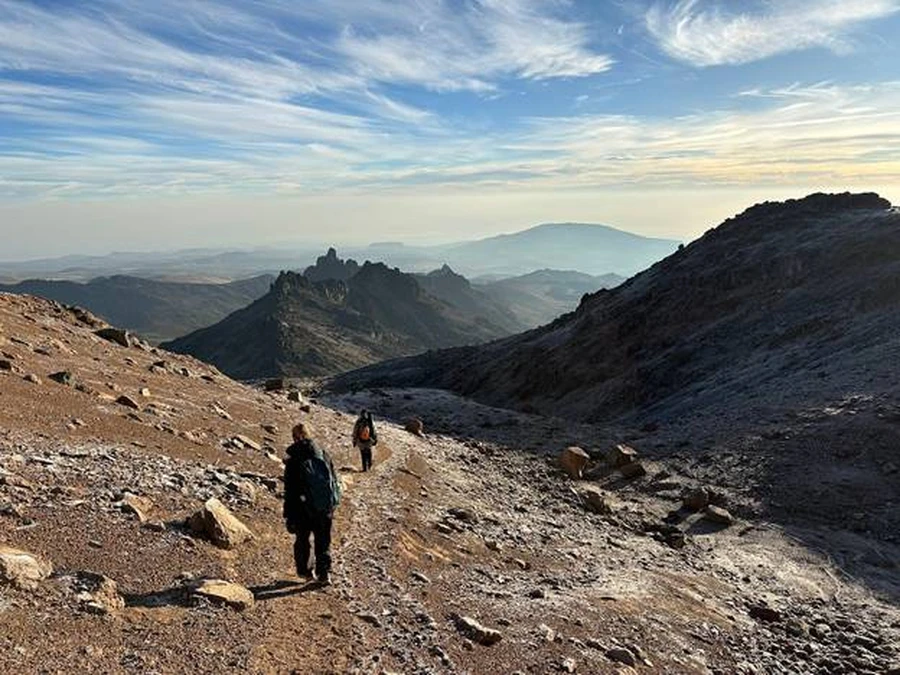
- Best months: January – February and June – October
- Less affected by rain
- Ideal for acclimatization
The Sirimon route sits in a rain-shadow area, meaning it receives less rainfall compared to other routes. This makes it more stable during transitional and even light rainy periods. Trails remain relatively dry, and the gradual ascent allows for better altitude adjustment. Weather here is more predictable, making it a reliable option year-round, though it’s at its best during the dry season.
Chogoria Route
The most scenic route approaches from the eastern side of the mountain.
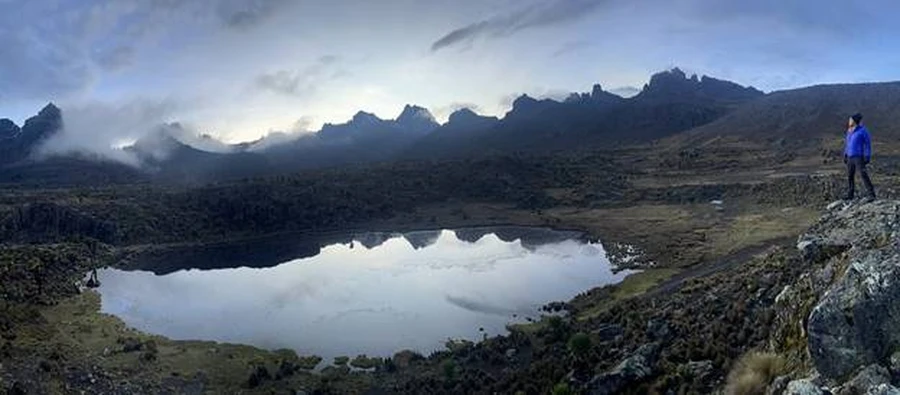
- Best months: January – February and September – October
- Muddy trails on long rainy season
- Best views during clear weather
Chogoria is highly exposed to moisture from the Indian Ocean, making it more prone to rainfall and mist. During wet periods, trails can become slippery and the visibility is limited. Dry months offer some of the most dramatic landscapes views on the mountain. Weather plays a major role here, clear days reveal lakes, cliffs, and valleys, while rain can obscure much of its beauty.
Naro Moru Route
The fastest but most physically demanding route. It is located on the western leeward side of the mountain.
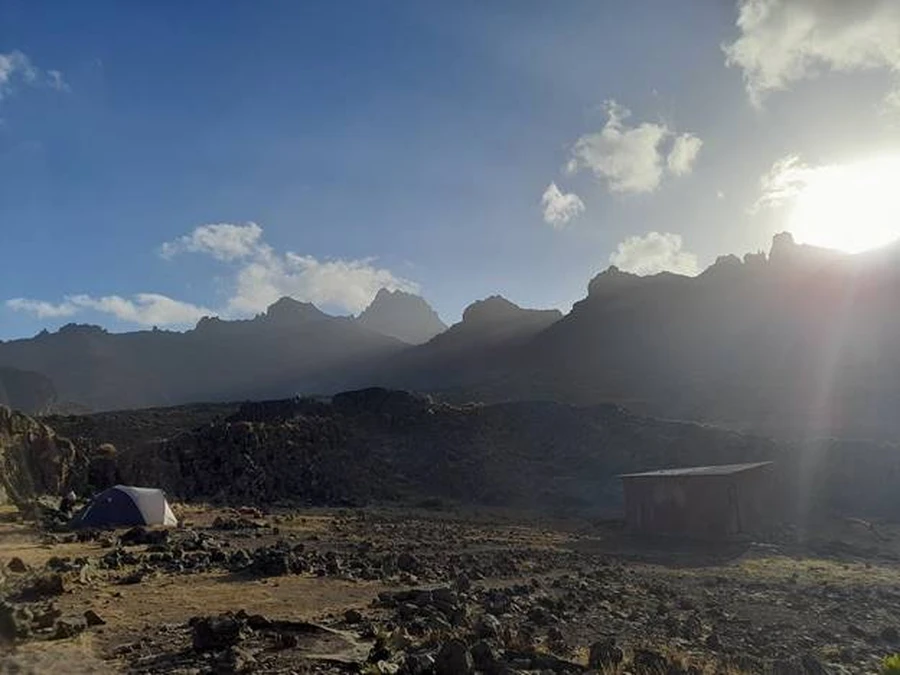
- Best months: January–February, June–September
- Not recommended during rainy season (extreme mud in the “Vertical Bog”)
Naro Moru is the most direct route to the summit but is heavily impacted by rainfall. Its infamous “Vertical Bog” becomes extremely muddy and difficult during wet conditions, making progress slow and exhausting. Even light rain can significantly affect the trail. In dry months, however, it offers a quick and efficient ascent with relatively stable weather compared to the wetter eastern side.
Burguret Route
The wildest and least developed route. It approaches the mountain from the western side.
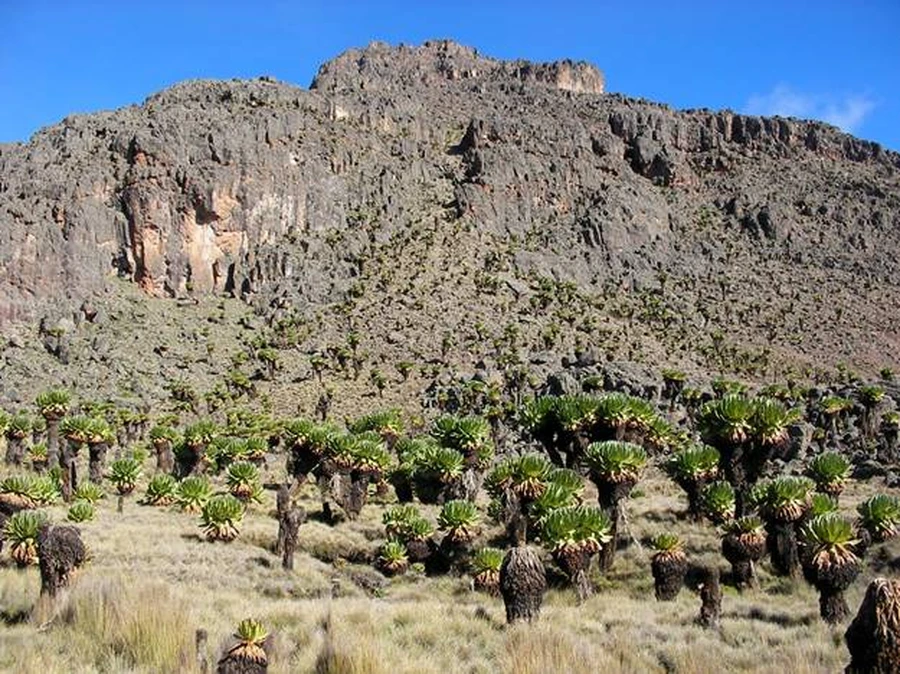
- Best months: January–February, June–September
- Remote and less maintained
- Highly sensitive to weather changes
Burguret is a rugged and rarely used route that cuts through dense forest and bamboo zones before opening into alpine terrain. Being on the western side, it is slightly drier than Chogoria but still heavily affected by rainfall due to thick vegetation and poor drainage. Trails can become overgrown, muddy, and difficult to navigate during wet periods. In dry conditions, it offers a raw, adventurous experience with minimal crowds.
FAQs
What are the optimal months for a Mount Kenya hike?
The best months are January – February and June – October. These periods offer dry trails, clear skies, and the highest chances of a successful summit.
What is the best time to hike Mount Kenya for beginners?
Beginners should aim for lade December – early March or September – October when weather conditions are stable and the routes are more manageable. However, with adequate preparation, beginners can enjoy an expedition during the shoulder months and the short rains season.
How cold is the top of Mount Kenya?
Temperatures at the summit range between -10°C to -15°C, especially during early morning summit attempts. Proper gear is essential.
What are Mount Kenya weather patterns for hikers?
Mount Kenya experiences two dry seasons and two rainy seasons. Weather can change rapidly, but dry months offer more predictable and safer trekking conditions. You can learn more about Mount Kenya weather here.
How do Mount Kenya rainy season climbing conditions affect the trek?
Rainy seasons bring muddy trails, low visibility, and tougher acclimatization conditions making climbs more difficult.
Final Thoughts
Timing your climb is one of the most important decisions you’ll make when planning your Mount Kenya expedition. While the mountain is accessible year-round, choosing the right season dramatically improves your hiking experience.
Whether you’re chasing clear summit views, safer trails, or a more comfortable trek, understanding the best months for a Mount Kenya hikewill help you make the most of your journey.
Plan smart, pack well, and choose your window wisely.
Contact us today, we’ll help you plan an unforgettable journey on the month of your choosing.