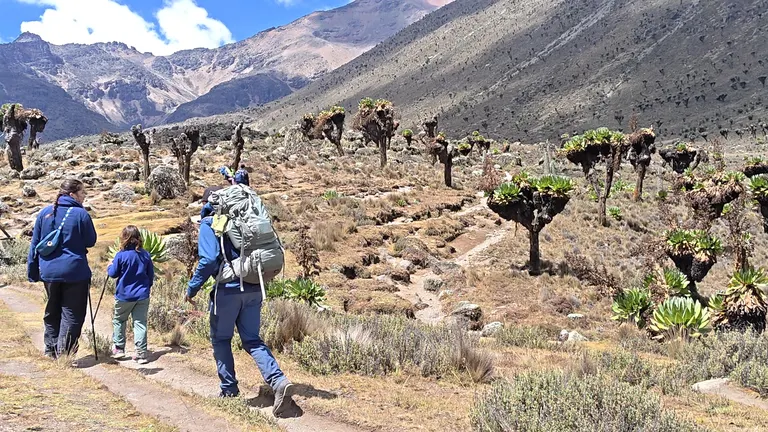
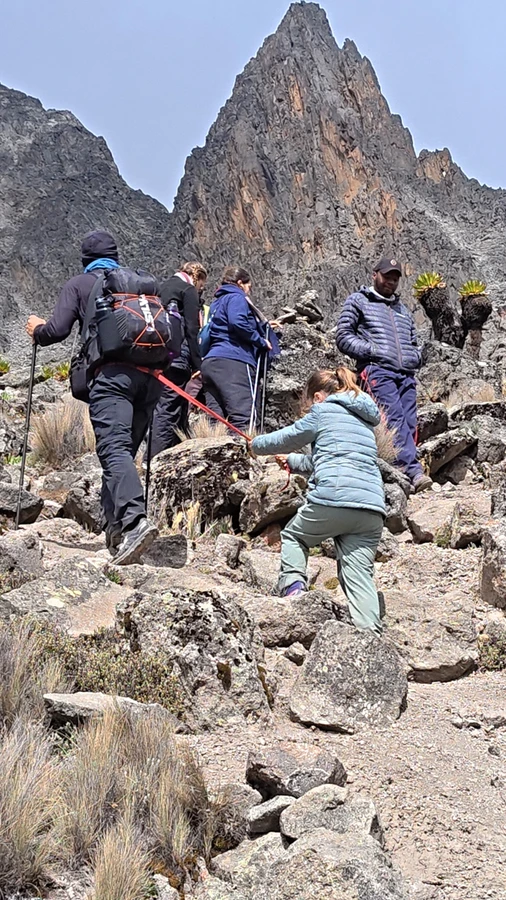
In this guide, we will group the young adventurers’ ages between kids, teenagers, students, and pupils to help you choose the best Mount Kenya tour for your child.
- Kids – 7 to 12 years old
- Teenagers – 13 to 17 years old
- Students – kids currently enrolled in high school, college, and university
- Pupils – kids currently in primary school and junior secondary
Remember, all children trekking Mount Kenya should be accompanied by a parent or guardian throughout the trip. For organized school trips, pupils and students should be accompanied by their teachers throughout the expedition.
The Best Mount Kenya Tour for Each Age Group
Kids
The 7 to 12 age range can trek to Point Lenana, the third highest peak on Mount Kenya. However, the trip requires exceptional physical preparation, favourable mountain conditions, and a highly customized itinerary to give them the best chances of reaching the summit.
Here, a longer itinerary of 5 – 6 days on moderate routes like Sirimon during peak season when the weather is the best way to go. Our Mount Kenya 5 Days Via Sirimon – Chogoria Route tour is a great example
Teenagers
The 13 to 17 age group generally has more flexibility when choosing a Mount Kenya trekking itinerary. Teens who are active and accustomed to hiking can take on longer walking days and more challenging terrain than younger children.
A 4 – 5 day Point Lenana trek can be suitable for well-prepared teenagers, although a longer itinerary can still provide a more comfortable experience and better acclimatization.
It is also in this age range that they can be allowed to attempt a Mount Kenya technical climb. However, participants should be 15 years or older and have a proven record of excelling in rock climbing or an associated athletic sport. Technical climbing is assessed separately from ordinary trekking because it requires specialist climbing skills, equipment, and experience.
Students
Students make some of the most enthusiastic Mount Kenya adventurers. A Mount Kenya trip provides an opportunity to combine learning with fitness, adventure, camping, and wildlife.
The best itinerary depends more on the student's age, fitness, and hiking experience than their student status. Active students with previous hiking experience can consider 4 – 5 day Point Lenana treks, while those new to mountain hiking may benefit from a longer itinerary with shorter walking days. Older students with proven experience in rock climbing or technical mountain climbing can attempt the Batian or Nelion Summit
Pupils
Primary and junior secondary school kids are generally younger than most student groups, so their Mount Kenya experience should be planned around their age, fitness, and previous outdoor experience.
For younger pupils, shorter hikes in the lower mountain regions and Mount Kenya day trips can be an excellent introduction to alpine adventure. Older and physically prepared pupils can consider a longer Point Lenana expedition with itinerary designed around a comfortable pace.
6 Years and Below
Kids below seven years can enjoy Mount Kenya day trips and multi-day hikes at lower altitudes where they can view wildlife, camp, and explore notable landscapes like Lake Ellis.
Climbing Factors to Consider for Children Climbing Mount Kenya
Since the goal is not simply to get to the summit as quickly as possible but to give them an enjoyable journey full of exploration and discovery, it is important to consider the following climbing factors.
- Longer itinerary for better acclimatization - More days on the mountain allow young hikers to adjust gradually to increasing altitude.
- Suitable route - Choose a route and itinerary that matches the child's age, fitness, hiking experience, and confidence.
- Slower pace - A comfortable pace with regular breaks helps children conserve energy and enjoy the scenery.
- Shorter treks and trekking days - Avoid overly long walking days, especially for younger or less experienced kids
- Good hydration and nutrition - Children should have easy access to water and enough nutritious food to maintain their energy throughout the day.
- Weather conditions - Flexible itineraries allow guides to respond to rain, cold, strong winds, or other changing mountain conditions. Planning the trip during the dry seasons in Kenya will greatly improve hiking and weather conditions
- Rest and recovery at camp - Comfortable evenings and sufficient sleep are particularly important for young hikers after a full day on the trail.
- Appropriate clothing and gear - Mountain weather can change quickly, so warm layers, rain protection, and comfortable hiking shoes are important.
- Familiarization with hiking before the trip - Regular walks and shorter hikes before Mount Kenya can help young hikers build confidence and endurance.
- Light backpack - Keep the child's personal load to a minimum so they can concentrate on walking and enjoying the adventure.
- Time to enjoy the outdoors – Enough time for wildlife spotting, photography, exploring the landscape, and enjoying camp rather than making the trip solely about reaching the summit.
- Proper adult supervision - Parents, guardians, or teachers should remain actively involved throughout the adventure.
- Experienced mountain guides - Professional guides can monitor the group, adjust the pace, and make practical decisions as conditions change.
- A positive, pressure free experience - Children should never feel pressured to keep up with adults or reach the summit at the expense of their comfort and enjoyment.
The mountain experience can be adapted to suit the group. Younger children may enjoy shorter walks and day trips, while older teenagers and active students can take on longer multi-day treks.
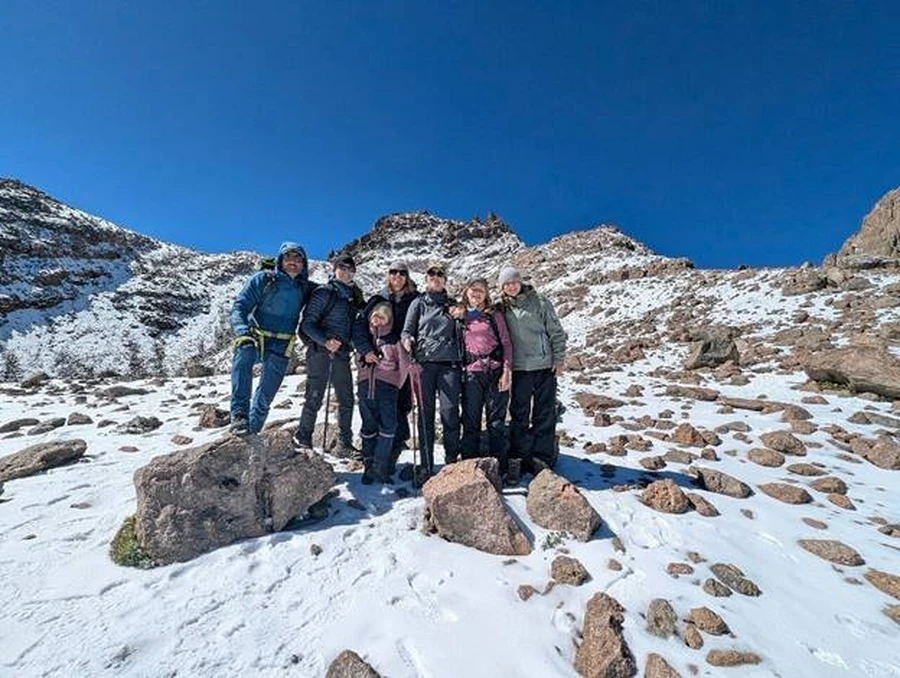
How Long Can Children Trek Mount Kenya?
It usually takes 4 – 6 days for a child between the ages of 7 to 17 years to complete a Mount Kenya trek to Point Lenana and descend. The time taken depends on their age, fitness, hiking experience, and the route selected.
A young and active hiker may be comfortable walking for several hours, while another child may enjoy a shorter itinerary with plenty of time to explore and rest.
Our guides can adjust the pace and daily walking distances to suit the group. Taking breaks, enjoying viewpoints, exploring the surroundings, and spending time at camp are all part of the experience.
What is the Best Time to Hike Mount Kenya with Children?
For children, January to February and July to September are generally the best periods to plan a Mount Kenya trek. These months fall within the mountain's drier seasons and usually offer better trail conditions, clearer skies, and more enjoyable trekking conditions than the wetter months.
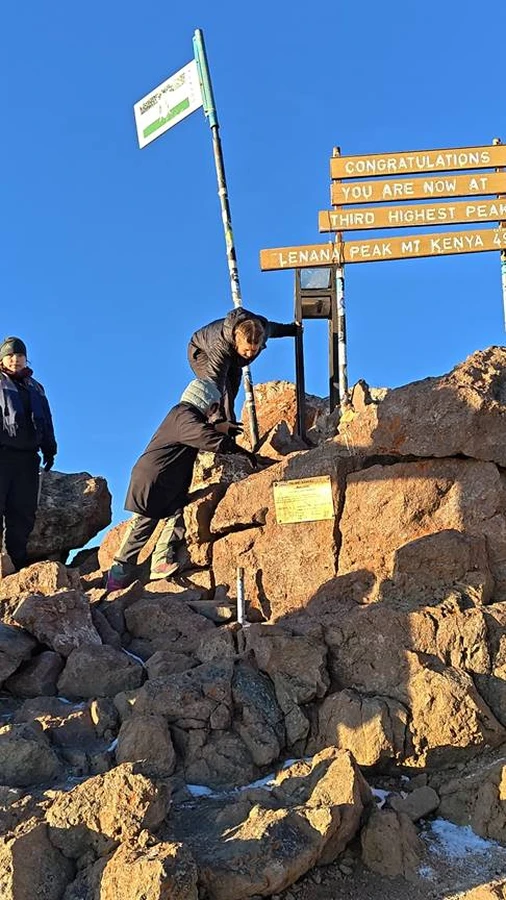
Mount Kenya Trekking with Children
Exploring Mount Kenya is an opportunity to get away from busy routines and spend quality time together outdoors. Instead of screens and city traffic, the days are spent walking through mountain forests, crossing open moorlands, discovering streams and tarns, watching wildlife, and enjoying spectacular views.
Camping is part of the adventure on many routes. After a day on the trail, young hikers can settle into camp, enjoy a warm meal, relax with their family or friends, and experience the atmosphere of sleeping in the mountains.
For kids and teenagers who enjoy being outdoors, the simple excitement of carrying a backpack, following a mountain trail, setting up camp, and waking up surrounded by mountain scenery can be just as memorable as reaching the summit.
.
Adventure, Fitness, Outdoor Skills, and Wildlife
A Mount Kenya adventure naturally gets young people active.
Long walks, steep trails, rocky terrain, and changing weather provide a rewarding physical challenge. Young hikers develop endurance and confidence while learning practical outdoor skills such as packing a daypack, managing their water, dressing for changing weather, following mountain trails, and looking after themselves in the outdoors.
There is also the fun of exploring somewhere new. Your kids will discover mountain wildlife, photograph unusual plants, explore valleys and tarns, and experience the dramatic changes in scenery as they gain altitude.
Depending on the route you choose, they may encounter monkeys, buffalo, elephants, antelopes, hyraxes, and many species of birds in the lower mountain environments.
An Adventure Children Will Remember
A Mount Kenya holiday gives younglings the freedom to explore, get active, spend time outdoors, and experience one of Africa's great mountains.
From walking through forests and spotting wildlife to camping beneath clear mountain skies and watching the sunrise over Point Lenana, there is something exciting around every trail.
Whether you are planning a family mountain adventure or a School trip to Mount Kenya, we can create an itinerary that makes the experience fun, active, safe, and memorable.
FAQs
What is the best age for Mount Kenya trekking?
We recommend 7–18 years for trekking to Point Lenana. Younger children generally benefit from shorter hikes and longer itineraries, while older teenagers can take on more challenging trekking routes.
Can a 10-year-old hike Mount Kenya?
Yes. A fit and well-prepared 10-year-old can trek towards Point Lenana with an appropriate itinerary, slower pace, regular breaks, and adult supervision.
How many days should children take to climb Mount Kenya?
For younger children, we recommend a longer 5 – 6 day itinerary where possible. More days allow for slower walking, gradual acclimatization, rest, and time to enjoy the mountain.
Can children climb Batian or Nelion?
Technical climbing is different from trekking to Point Lenana. We recommend technical climbing for participants 15 years or older who have a proven record of excelling in rock climbing or an associated athletic sport.
Must parents accompany children on Mount Kenya?
Yes. Children aged 7–12 and youth aged 13–17 should be accompanied by a parent or legal guardian throughout the trip. For organized school trips, pupils and students should be accompanied by their teachers.
What is the best time to climb Mount Kenya with children?
The generally drier periods of January–February and July–September are preferred for young hikers because conditions are usually more favourable for trekking and camping.
What if my child is not ready for a multi-day trek?
A Mount Kenya day trip can be an excellent introduction to mountain hiking. We can also arrange shorter hiking adventures around Kenya, including Mount Longonot, the Aberdare Ranges, and Hell's Gate.
Do you provide hiking gear for children?
Yes. We have hiking and camping gear in sizes that fit children, available for hire depending on the child’s age and size. We recommend confirming the required gear in advance so we can prepare the appropriate equipment for the trip.
Do you provide custom itineraries for students on school trips?
Yes. We can create customized Mount Kenya itineraries for school trips based on the students’ age, fitness, hiking experience, group size, available time, and preferred activities. The itinerary can include suitable hiking distances, camping, wildlife viewing, outdoor activities, and time for rest and recovery.